
Rethink & Reuse — an editorial resource
Start zero waste living from your kitchen
Most UK households throw away food, packaging and clothes that still have a use. We publish the practical guides that cut that waste — without buying a whole new set of products first.
What actually fills the bin
Where most household waste actually comes from
Kitchen caddies, recycling bins and charity bags tell a story you can read.
A typical UK home sends food scraps, soft plastics and textiles to waste because they are the hardest items to deal with consistently. Food alone is a big share, and much of it is avoidable. Before you buy anything new, it helps to know which stream in your home creates the most volume.
Most people find it is food and packaging, not the obvious things like glass jars. That single finding changes the order of work: sorting jars is tidy, but it does not move the weight of your bin much. Reading your own waste streams takes one week and tells you where to aim.
Start here
Pick one room, not the whole house
Trying to fix every room at once is how zero waste attempts fall apart by week three. Start with the kitchen because it produces the most daily waste and the fixes are cheap. Once your kitchen routine holds, the bathroom and wardrobe are easier.
See the full starter guideFour weeks, one room at a time. Each week adds a habit rather than a purchase, so the routine survives a busy Tuesday and a full fridge.
- Week one Read the bin before you change it One week of noticing what you throw out, with no new purchases at all.
- Week two Fix food before packaging Storage, leftovers and a shopping list that matches what you cook.
- Week three Swap the containers you already use Reuse the jars and tubs in the cupboard before buying anything new.
- Week four Sort scraps, then look at shopping Composting and bulk buying only make sense once the first three hold.
 Cloth bags earn their place at the till
Kitchen & home swaps
Kitchen swaps that survive real life
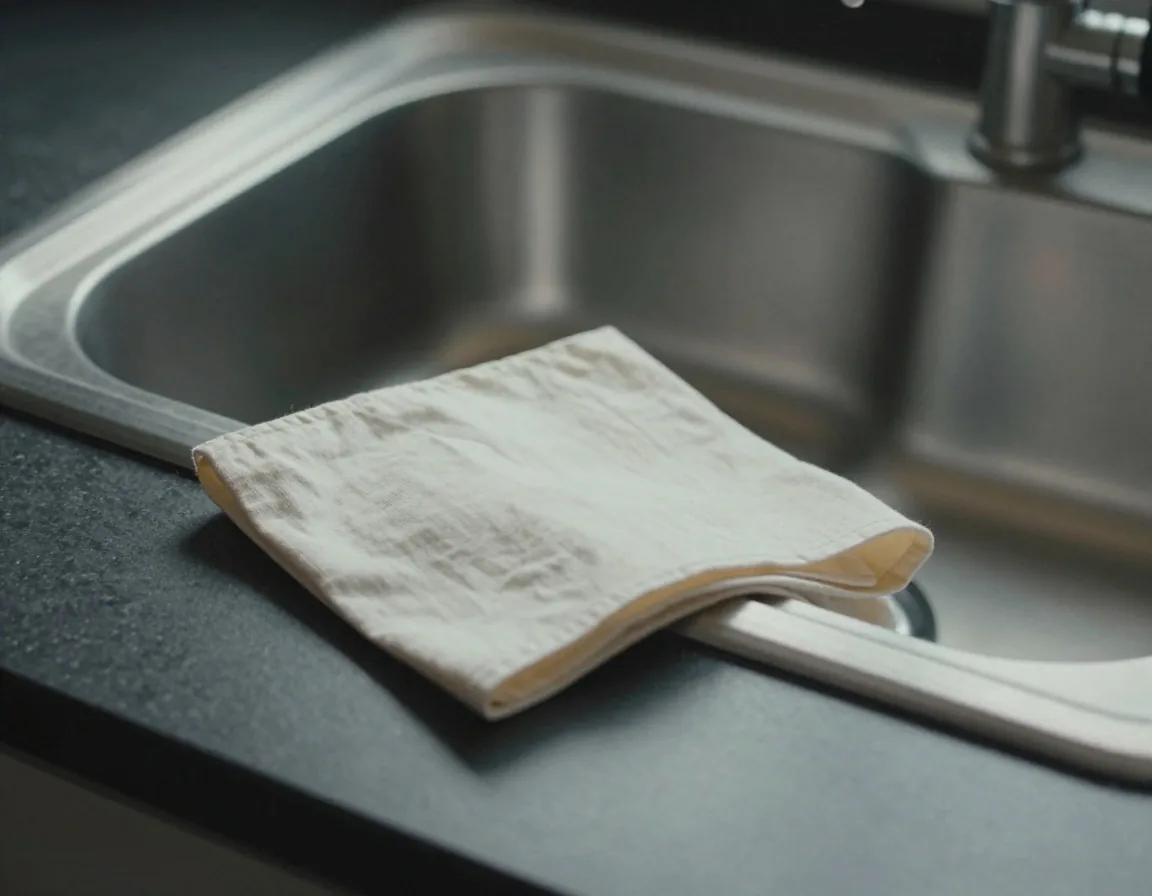
Reusable containers only help if you actually use them. A beeswax wrap is useful for cheese and half a loaf, less useful for wet food. Cloth produce bags work in a supermarket trolley but not for a full weekly shop unless you carry several.
We cover which swaps pay off in a UK kitchen and which are worth skipping, including plastic free food storage, eco friendly kitchen cleaning and the reusable produce bags guide. The kitchen and home swaps page has the specifics.
See kitchen and home swapsSecond job, before the bin
Upcycling before you bin something
A glass jar, an old shirt, a wooden crate: all three usually have a second job before recycling or the tip. Upcycling keeps the material and the energy already spent making it. It is also cheaper than buying a new storage box or plant pot.
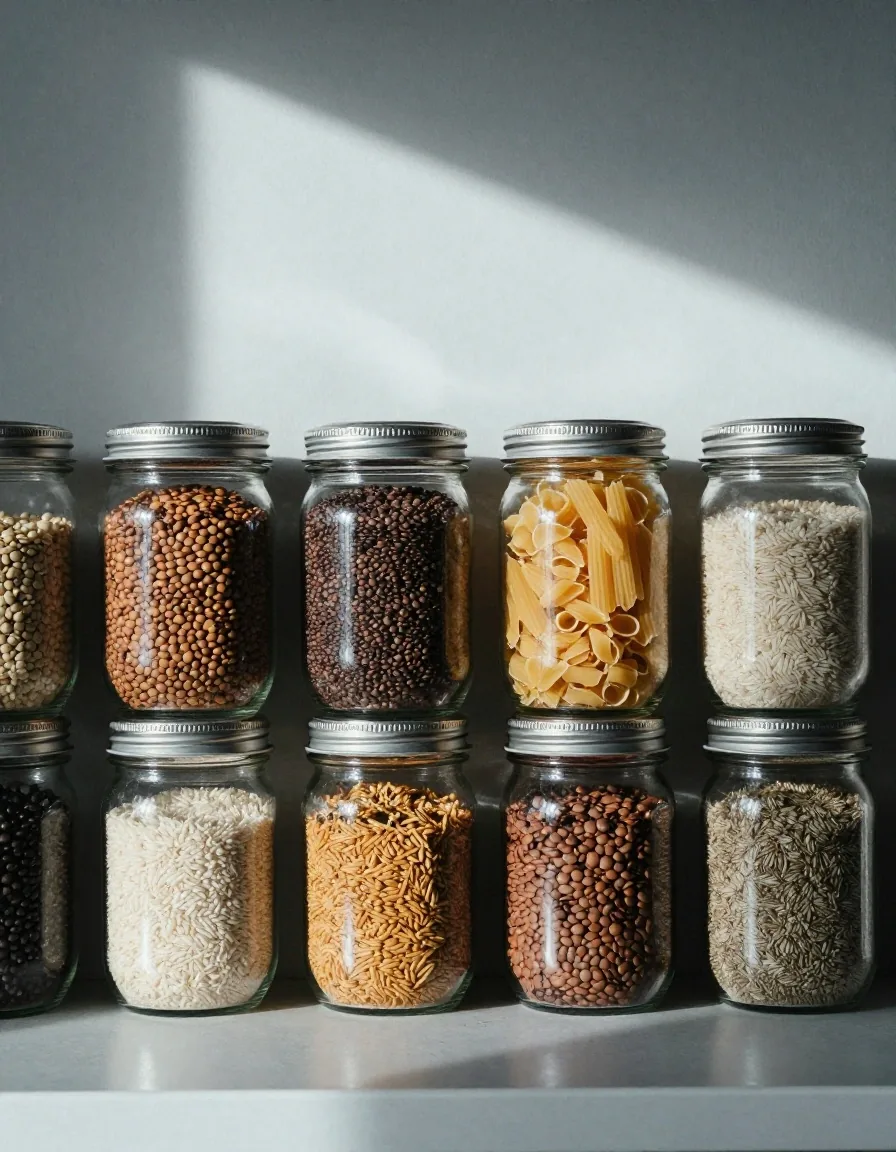
Start with the jars already in your cupboard. Lids that seal are worth keeping; anything that smells of what it held can be soaked and dried in a day.
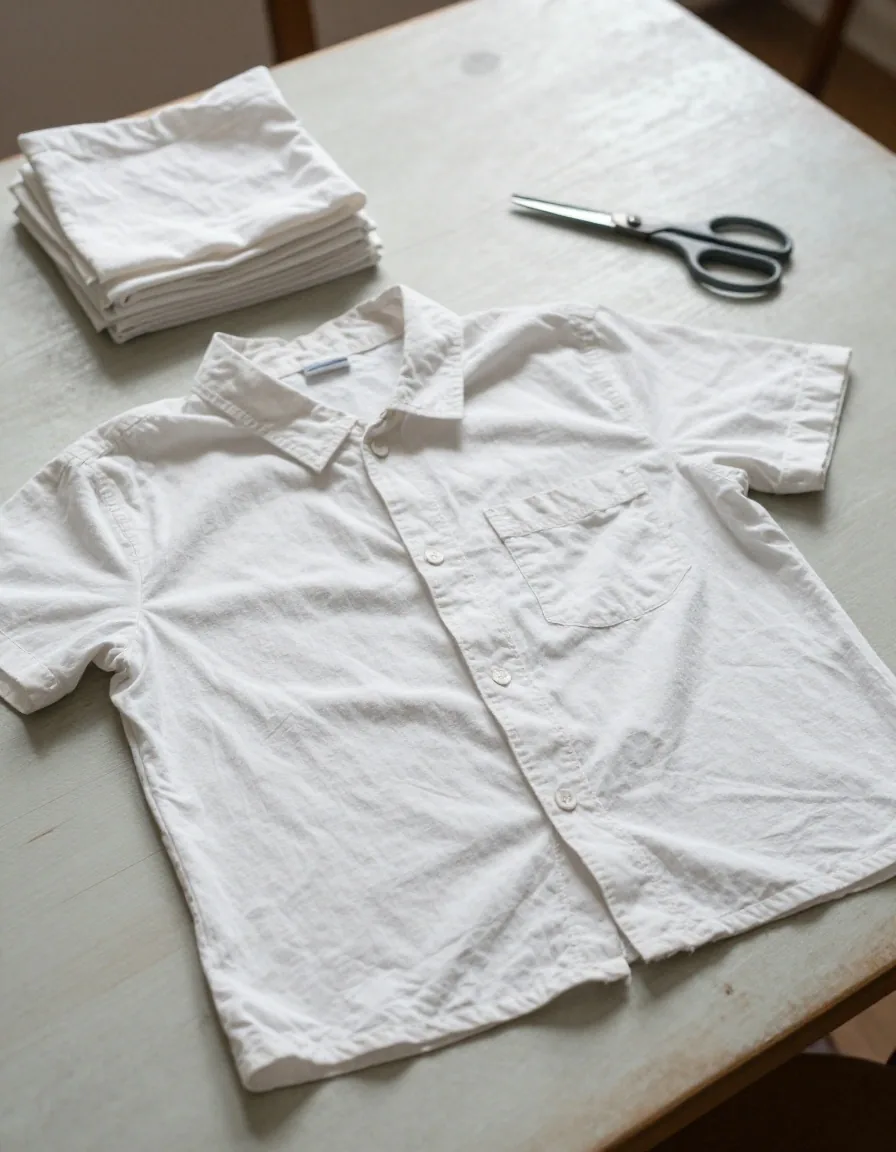
Worn shirts make good cleaning cloths and patch material. No sewing machine required for the first version.
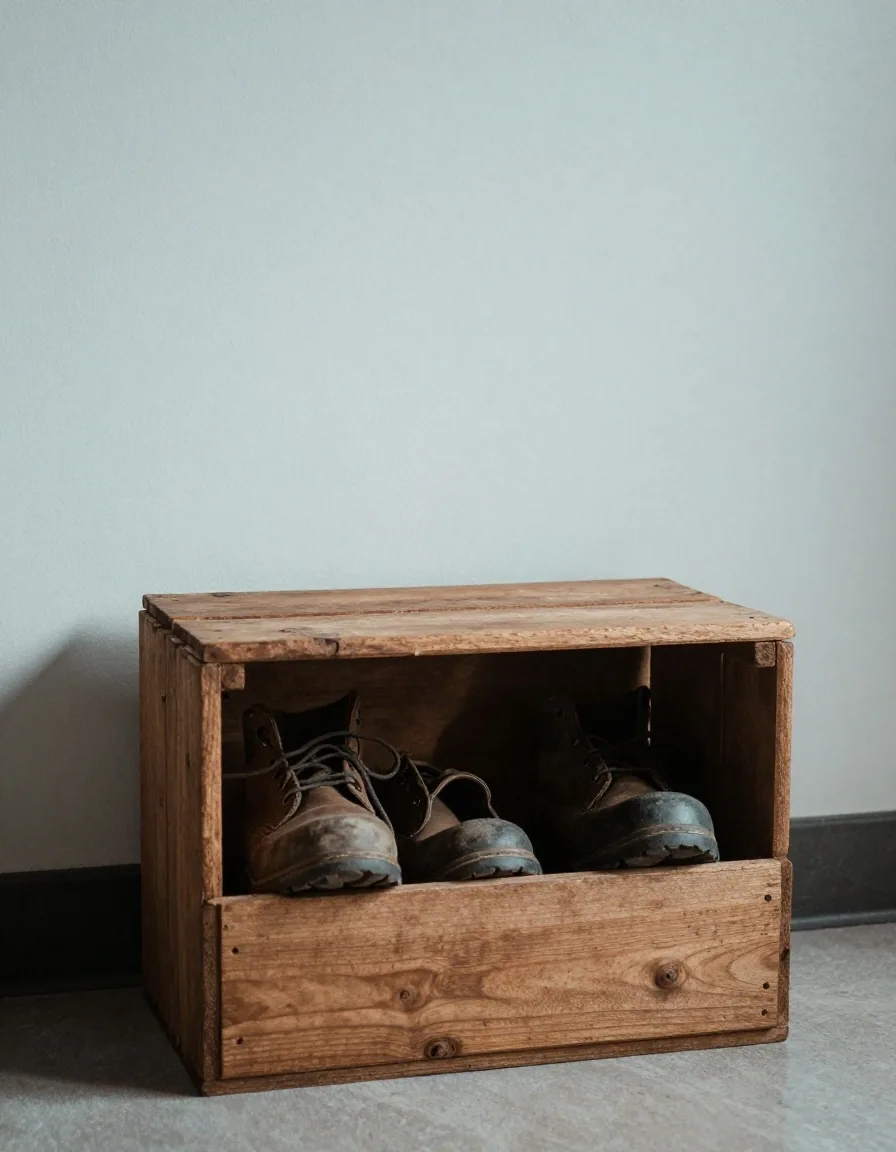
Crates and offcuts belong in the hallway before they belong in the skip. Sand the rough edge and it is done.
Food scraps & composting
Food scraps are not rubbish yet
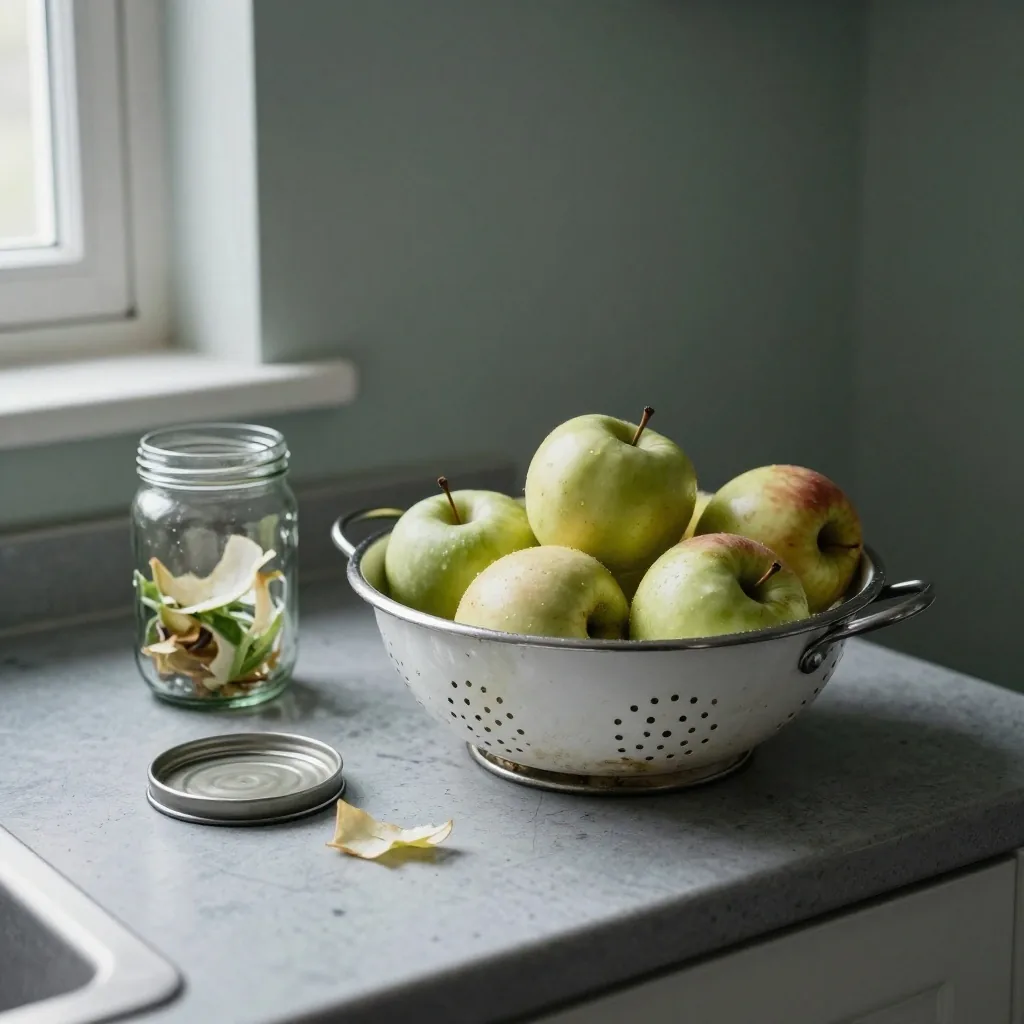
Composting food scraps at home turns vegetable peelings, coffee grounds and eggshells into something your garden or houseplants can use. You do not need a big garden. A small wormery or a sealed countertop caddy handles most flats.
The composting guide covers what to do when you have no outdoor space, how to keep moisture and airflow in balance, and how to avoid smells in a warm kitchen.
Learn about composting food scraps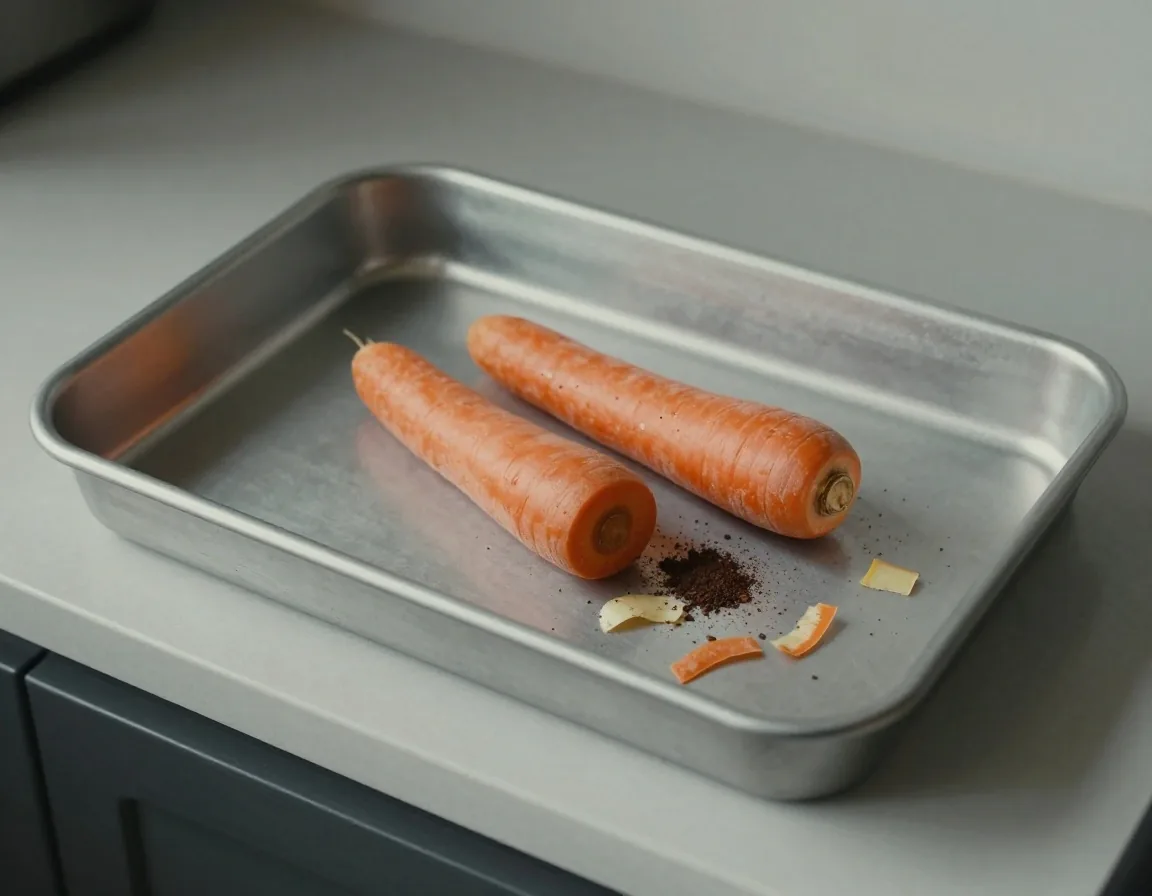 Peel, grounds and shells: a caddy handles most flats
Before the bin exists
Shopping is the part people underestimate
At the point of purchase
Most waste is decided before it reaches your bin
Buying loose produce, refilling dry goods and choosing items that last longer all reduce what you throw out later. It also tends to cost less per use. Sustainable shopping tips cover bulk buying, refill shops and what to skip.
Learn how to buy in bulk without a pantry the size of a shop, and which plastic free alternatives actually change the volume of your bin.
Sustainable shoppingHabits, not gear
Small habits beat big purchases
A refillable water bottle you already own beats a new one. A repaired jacket beats a replacement. The habit matters more than the gear. We try to keep that in mind in everything we publish.
The aim is fewer things in your bin, not a new shopping list. Sustainable lifestyle habits and eco friendly living ideas that hold up over a year matter more than a perfect zero waste starter kit bought in one afternoon.
Through the year
Seasonal realities in the UK
Waste changes with the seasons. Summer brings garden clippings and food that spoils faster in the heat. Winter brings more packaging and more cooking. Your routine needs to flex with that.
We flag seasonal differences where they matter, like composting in cold weather, or a full fridge in December. A low waste home guide should still work in February.
We publish guides, not products. Where we mention a product type, it is to explain how it works — including beeswax wraps usage and care, or how to upcycle glass jars — not to push a specific brand.
Rethink & Reuse is an editorial resource for UK households. You can read everything without creating an account, and nothing on the site is a paid placement. If you want to suggest a topic or ask a question, the contact page is the place. We read every message.
Some reusable items cost more carbon to make than the disposables they replace, especially if you barely use them. We say so when that is the case. Zero waste living is not about being perfect. It is about making the changes that hold up over a year.
How to use the guides
Each guide is written so you can read it once and act on it the same day. We avoid long product lists and long intros. If a method does not work in a small UK flat or a rented home, we say so.
- New to this? Start with the zero waste starter guide and follow the four-week order.
- Already sorting your bin? Jump to the topic that matches your biggest waste stream.
- Planning a clear-out? Check the upcycling vs recycling page before you fill a bag.
- Read one page, try one change this week, and come back for the next.
Questions before you start
What people ask first
Do I need to buy a zero waste starter kit to begin?
No. Most of what you need is already in your kitchen. Reusing existing containers and bags is the cheapest start. We describe a starter kit as a set of habits, not a product.
Is this site a shop?
No. Rethink & Reuse is an editorial resource. We do not sell products. We explain how swaps and methods work so you can decide for yourself.
I live in a small flat with no garden. Is composting possible?
Yes. A wormery or a sealed countertop caddy handles most food scraps indoors if you manage moisture and airflow. The composting guide covers the practical setup.
How do I suggest a topic?
Use the contact page. Tell us what you are trying to solve and we will consider it for a future guide.
Start with one page
If you are not sure where to begin, pick the guide closest to your biggest bin.
Kitchen, food, shopping or upcycling. Read it, try one change this week, and come back for the next. That is the whole method. You can also write to us at [email protected] or call +44 20 7946 0821 during office hours, Monday to Friday 9:00 AM – 6:00 PM and Saturday 10:00 AM – 2:00 PM.