
Four weeks, one waste stream at a time
A zero waste starter guide for UK homes
If you are new to low waste living, the hardest part is knowing where to begin. This guide gives you a four-week order of steps that fit a normal UK household, whether you rent a flat or own a house.
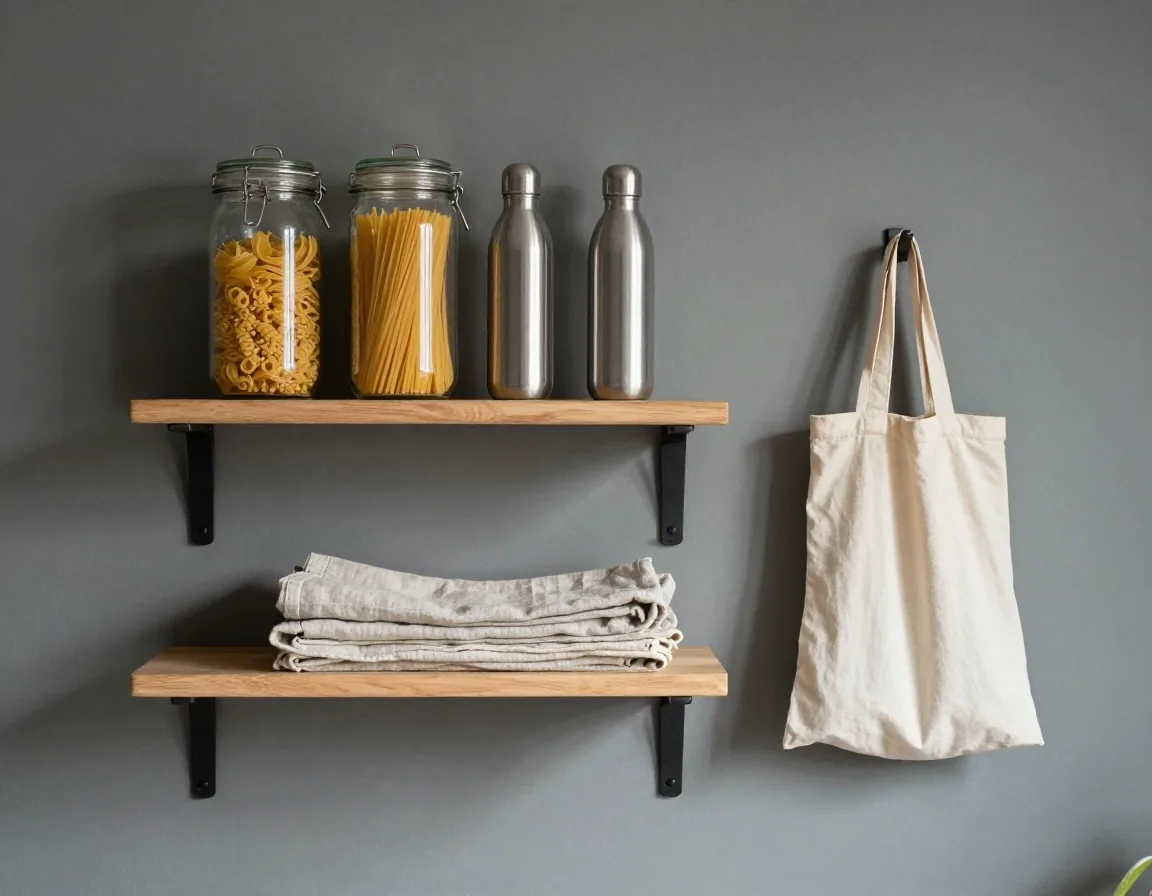
Reused containers already in the cupboard
What a zero waste starter kit really means
The kit is not the box. It is the handful of things you reach for every week.
A starter kit is not a box you order. It is the handful of items you use again and again: a water bottle, a couple of containers, a produce bag or two, a cloth instead of paper towels. Start with what you own. Add only what you will genuinely use weekly. Anything else becomes clutter, which is its own kind of waste.
If you do buy, put the money where the repetition is. A produce bag you carry beats a cupboard of matched tubs you forget. The rest of this page assumes one cheap or free swap per week, nothing more.
The order matters
Four weeks, one waste stream at a time
Each week targets one waste stream so you are not changing everything at once. Read the row, do the work, then move on. Nothing here needs a special purchase in the first week.
-
Week one
Look before you change anything
Spend the first week watching what you throw away. Keep a note, even a rough one, of what fills your bin and caddy. Most people assume packaging is the problem, then find food waste is bigger. You cannot fix what you have not measured, and this one week tells you where the effort should go. No purchases this week. Just observation.
-
Week two
Deal with food first
Food is the easiest win because it saves money as well as waste. Plan a few meals around what is already in your fridge before shopping. Store leftovers in containers you already own, and label them so they get eaten. If you have space, start a small compost caddy for peelings. By the end of this week, your caddy should be noticeably emptier. The composting and food waste guide covers caddy setup and what to keep out of it.
-
Week three
Swap the packaging you buy most
Now look at the packaging you cannot avoid. Loose fruit and vegetables, refillable dry goods, and a reusable bag you actually carry are common starting points. You do not need to swap everything. Pick the two or three items you buy every week and find a lower-waste version. A reusable produce bag set is a small purchase that replaces hundreds of thin plastic bags a year. The sustainable shopping guide walks through bulk buying and label reading.
-
Week four
Repair or upcycle one thing
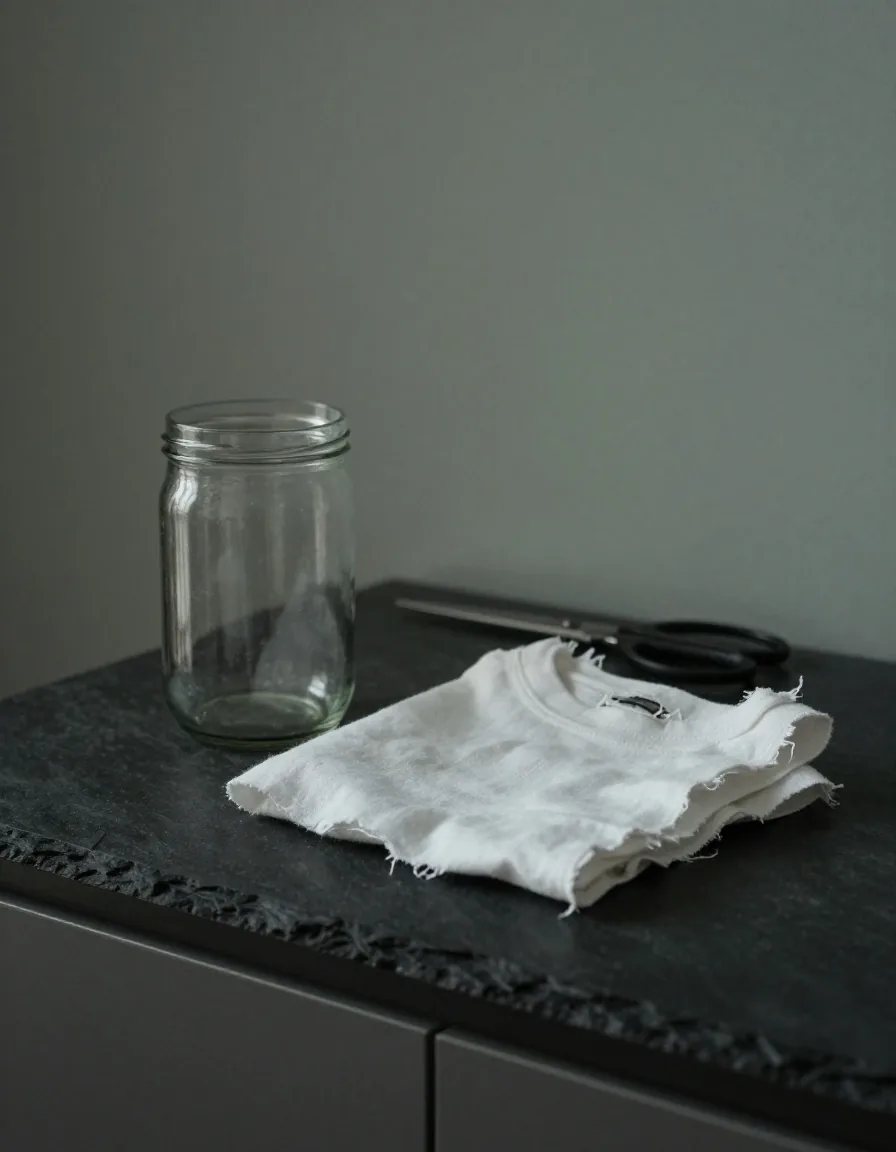
Pick one item you would normally replace and give it a second life instead. A glass jar becomes a storage container. A torn shirt becomes cleaning cloths or a tote. This week builds the habit of pausing before you bin something. The upcycling projects page has beginner builds if you want ideas.
Where to go next
Carry the four weeks into a wider routine
Once the four weeks are done, pick the area that still produces the most waste and read the matching guide. Come back when you are ready for the next step.
Sustainable lifestyle habits
The habits that hold up over a year
Motivation fades. Friction is what decides whether a habit survives.
Build around your existing routine instead of adding a new one. Keep the reusable bags by the door. Put the caddy where you cook. Make the low-waste choice the easy choice. Habits that survive are the ones with the least friction, and that matters more than any single product you buy.
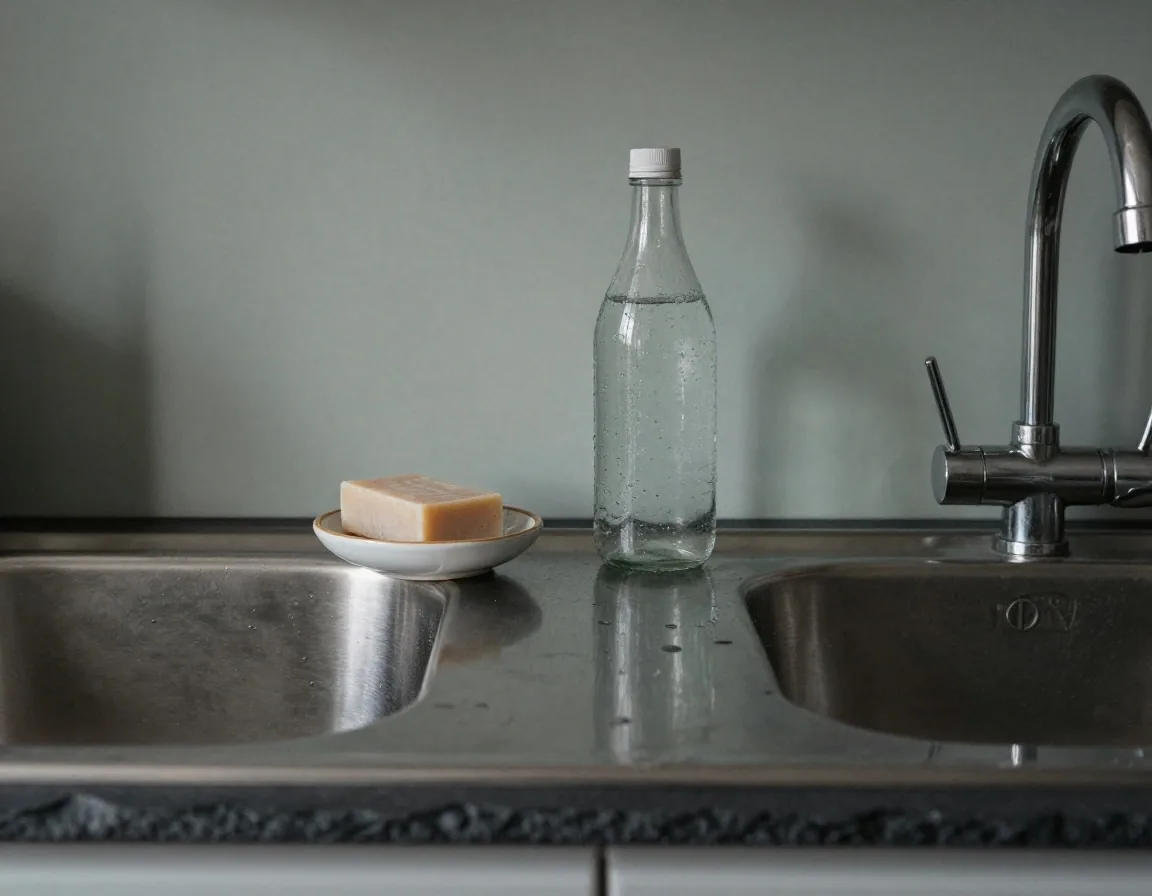
A few eco friendly living ideas that cost nothing: a cloth by the sink instead of paper towels, a bowl for peelings that goes out with the food waste, a shelf by the front door for bags and bottles. Each one removes a decision, and decisions are what run out first.
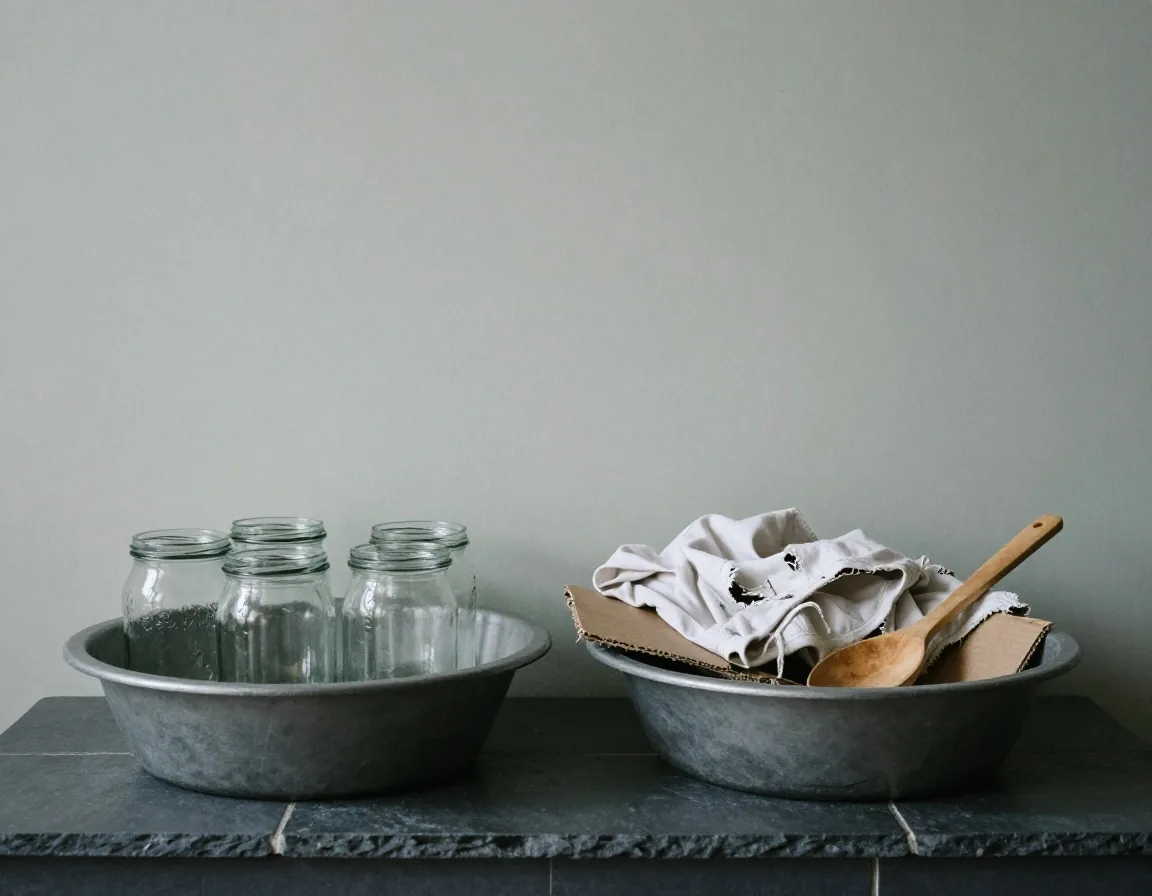
Keep your plastic free food storage simple. Jars you already own, a couple of lidded containers that stack, and beeswax wraps for things that need to breathe. Wash the wraps in cool water and mild soap, let them air dry, and avoid hot food straight from the pan, which softens the wax.
Run a short review each month: what filled the bin, what you actually used, what you bought and never touched. Adjust one thing. That small loop is what turns a four-week experiment into the way your home runs.
What the four weeks give you, in plain terms
Week 1
A written record of what your household actually throws out — no spending, no changes.
Week 2
A meal plan built from what is already in the fridge, and a caddy that fills more slowly.
Weeks 3–4
Two or three lower-waste versions of things you buy weekly, plus one item kept out of the bin.
Where beginners stall
Common beginner mistakes
None of these are moral failures. They are planning failures, and they are easy to avoid once you can name them.
Buying first
A full set of matching containers before you know what you need
Buy storage after week one, not before it. Your bin told you which sizes you actually use — usually fewer, and rarely matching.
All at once
Trying to go plastic-free overnight
Every swap competes with the others for time and attention. Two per week sticks. Ten in a weekend does not, and you lose the ones that were working.
Guilt
Treating a bad week as a failed one
Progress is uneven and that is normal. Aim for fewer bin bags a month, not perfection. A takeaway container is not the end of the routine.
The low waste home guide, in one page
Everything above is a beginning. Here is what you keep doing afterwards.
Buy less, then buy better
The most effective way to reduce household waste is to bring less through the door. When you do buy, choose the version that lasts: a steel bottle over a pack of plastic ones, a bar of soap over a pump bottle, refillable dry goods where you can find them.
Know the difference between reusing and recycling
Recycling sends a material away and depends on your council's collection. Reusing and upcycling keep the object in your home. Both matter, but only one of them costs you nothing and works the same day. The upcycling vs recycling comparison sets the two side by side.
Clean with what is in the cupboard
Eco friendly kitchen cleaning rarely needs a shelf of new bottles. Bicarbonate of soda, white vinegar, and a cloth handle most of it. Refill one spray bottle and keep it under the sink rather than buying a fresh bottle for each surface.
Keep a small repair habit
A stitch on a seam, a new button, a re-glued handle. Reusing everyday items is the cheapest part of zero waste living, and the part most people skip because it is not on a shopping list. Keep a small tin of thread, needles, and a couple of screws where you can reach them.
Questions beginners ask
Straight answers before you start
Getting started
Do I need to buy a starter kit first?
No. Start with what you already own and add one item when you find you keep needing it. Most homes already have a bottle, a couple of containers, and a cloth that can replace paper towels.
How long should the four weeks take?
Four calendar weeks works for most households, but two weeks per step is fine if you are busy. What matters is the order: observe, then food, then packaging, then repair.
Living arrangements
Does this work in a rented flat?
Yes. Nothing on this page needs a garden, a fixed compost bin, or a change to the property. Countertop caddies and shared food waste collections cover most renters.
What if my council collects very little?
Lean harder on reducing and reusing, which do not depend on kerbside collection. Rinsing and flattening what you do put out still helps, and reusing glass jars keeps them out of the system entirely.
Practical detail
How do I look after beeswax wraps?
Wash in cool water with a little mild soap, rinse, and air dry flat. Keep hot food and raw meat away from them, and avoid the dishwasher. With that care they last a good few months of daily use.
Is upcycling just a nicer word for hoarding?
Only if you keep things you have no use for. A simple rule: if it has no job by the end of the month, it goes. The beginner upcycling projects have a project for most jars and shirts.
Start the four weeks this weekend
Week one costs nothing and takes one page of notes.
Rethink & Reuse is an editorial resource for UK households, covering practical guides on waste, kitchen swaps, shopping, composting, and upcycling. Ask us a question if something on this page does not fit your home — we read every message, Monday to Friday between 9:00 AM and 6:00 PM.
Opening hours
Monday to Friday, 9:00 AM – 6:00 PM
Saturday, 10:00 AM – 2:00 PM
Closed Sunday.