
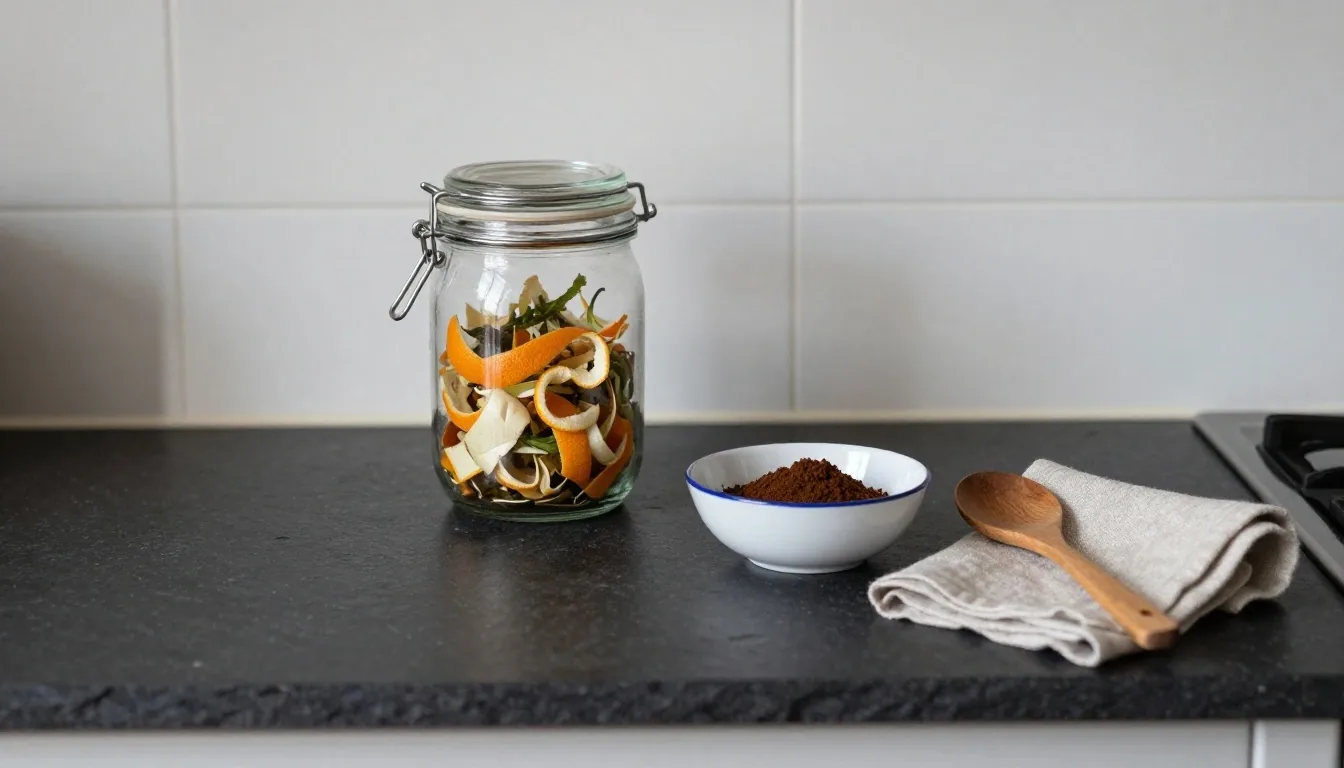
Composting food scraps at home in the UK
Food scraps are the biggest waste stream in most UK kitchens and the easiest to turn into something useful. You do not need a garden — this low waste home guide covers what works in flats, small yards and family homes.
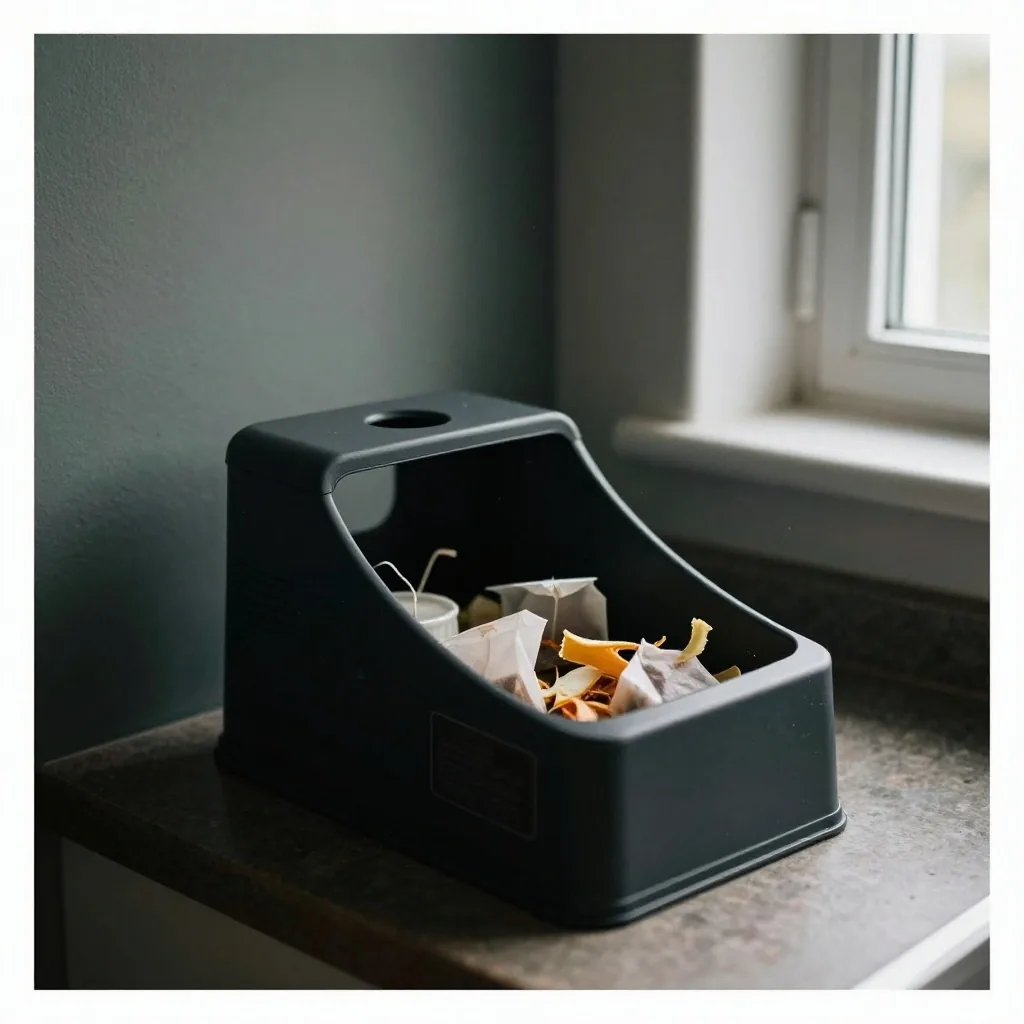
What you can and cannot compost at home
Most kitchen scraps compost beautifully. A small handful of them will not, and knowing which is which saves you the trouble later.
Vegetable peelings, fruit scraps, coffee grounds, tea leaves and crushed eggshells all break down well in a home system. They are wet, nitrogen-rich and full of the material that composting microbes actually want to eat.
Cooked food, meat, fish and dairy are harder. They rot faster, smell stronger in an open bin and can draw rats and foxes into a small yard, so most home systems leave them out.
The exception is a sealed hot composter, which reaches high enough temperatures to break down cooked food safely and without the smell. It is also the most expensive route, so weigh that against how much cooked waste your kitchen actually produces.
Anything treated, glossy or plastic-coated stays out: cooked oils, glossy cardboard, stickers, cling film and pet waste. If you would not want it in your soil in a year, do not put it in the bin today.
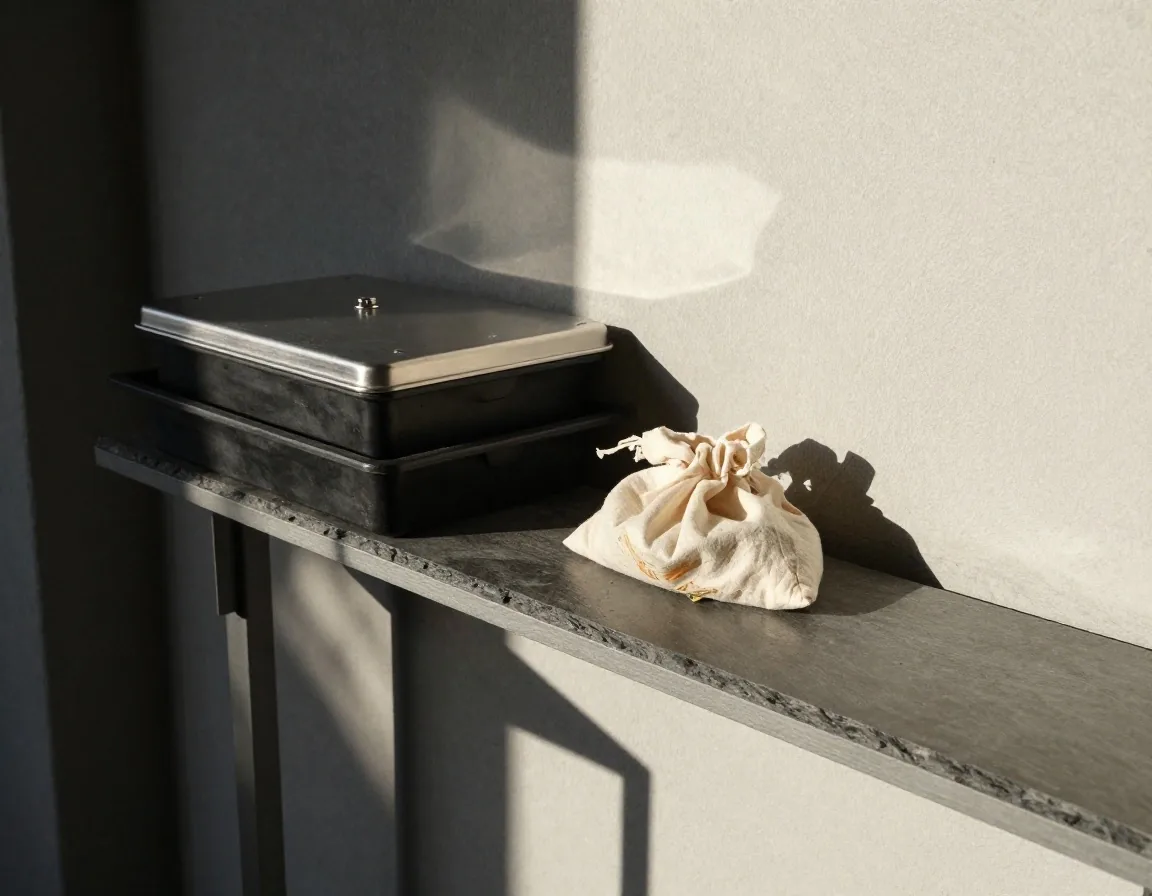 Indoor systems at home
Composting without a garden
A wormery fits on a balcony or in a small kitchen corner and handles most raw vegetable scraps. A sealed countertop caddy, sometimes called a bokashi system, ferments scraps indoors with no smell when it is run correctly. Both suit flats where a traditional heap is simply not possible.
The trade-off is a little more hands-on management than a garden bin. You drain liquid, you keep the mix right, and you empty the tray far more often. In exchange, you keep food scraps out of the bin without ever leaving your flat. Some councils also sell subsidised wormeries and caddies to residents, so it is worth checking your council's waste pages before you buy at full price.
Ask about indoor compostingA simple garden compost bin
If you have outdoor space, the bin that works is the one you actually turn.
A lidded bin or a small heap works well. Balance green material like peelings with brown material like torn cardboard, egg boxes and dry leaves. Aim for roughly two parts brown to one part green, and turn it now and then to add air. A handful of soil or finished compost at the start introduces the microbes you want.
In the UK, a bin set up in spring is usually ready to use by the following growing season, though cold winters slow it down. Speed depends on the mix, the air and the temperature more than on the bin you bought — so start with whatever you have and adjust from there.
Smells, pests, winter, finished compost
Too wet, too green, no air
A bin that smells sour is almost always overloaded with wet green material. Add torn cardboard or dry leaves, turn the pile to let air through, and keep the lid on. For countertop systems, drain the liquid every few days and do not tip in a whole pan of wet scraps at once. Five minutes of attention a week is usually enough to keep both indoor and outdoor setups working.
Winter slows it, it does not stop it
UK winters slow composting right down. Keep the bin somewhere sheltered from driving rain, add more brown material to soak up the extra moisture, and expect very little visible change between December and February. Indoor systems carry on as normal because they sit at kitchen temperature. Come spring, the pile speeds up again on its own.
Feed the plants, not the bin
Finished compost feeds houseplants, herbs, flower beds and vegetable patches. You do not need a lot — a thin layer on top of soil is enough for most plants, and mixing it in works for beds. Wormeries also produce a liquid feed that you dilute before use. Both turn kitchen scraps into something your plants actually want.
Cutting food waste before you compost
Composting handles scraps, but not wasting food in the first place saves more — money as well as waste. These are the habits that make the biggest difference in a normal UK kitchen, and none of them need new equipment.
Plan meals around what is already in the fridge
Look first, shop second
Before you write a list, take everything out of the fridge drawer and set it on the worktop. Build two or three meals around the things closest to turning. That single change does more to reduce household waste than any bin you can buy, and it is the most useful of the zero waste tips for beginners.
Store food where you will actually see it
Sight beats shelf life
Move older items to the front and keep them at eye level. Clear glass containers and open wire baskets help — you can see what is left without opening anything. This is also where plastic free food storage comes into it: a set of glass jars with tight lids or beeswax wraps usage and care done properly both keep food visible and keep it fresh.
Freeze anything you will not eat in time
The freezer is a pause button
Bread, milk, herbs, half a tin of tomatoes, leftover portions — all of it freezes. Portion first, label the container with what is inside and when, and use it up within a month or two. If you would rather not hunt for a pen, a strip of masking tape works just as well.
Keep a scrappy meal in the plan each week
Soup, frittata, stir-fry, fried rice
One flexible meal a week absorbs whatever is left in the drawer. Soup, frittata, stir-fry and fried rice will all take odds and ends, and none of them need a recipe you have to look up. It is an easy sustainable lifestyle habits win because it asks nothing of you except not planning that night's dinner in advance.
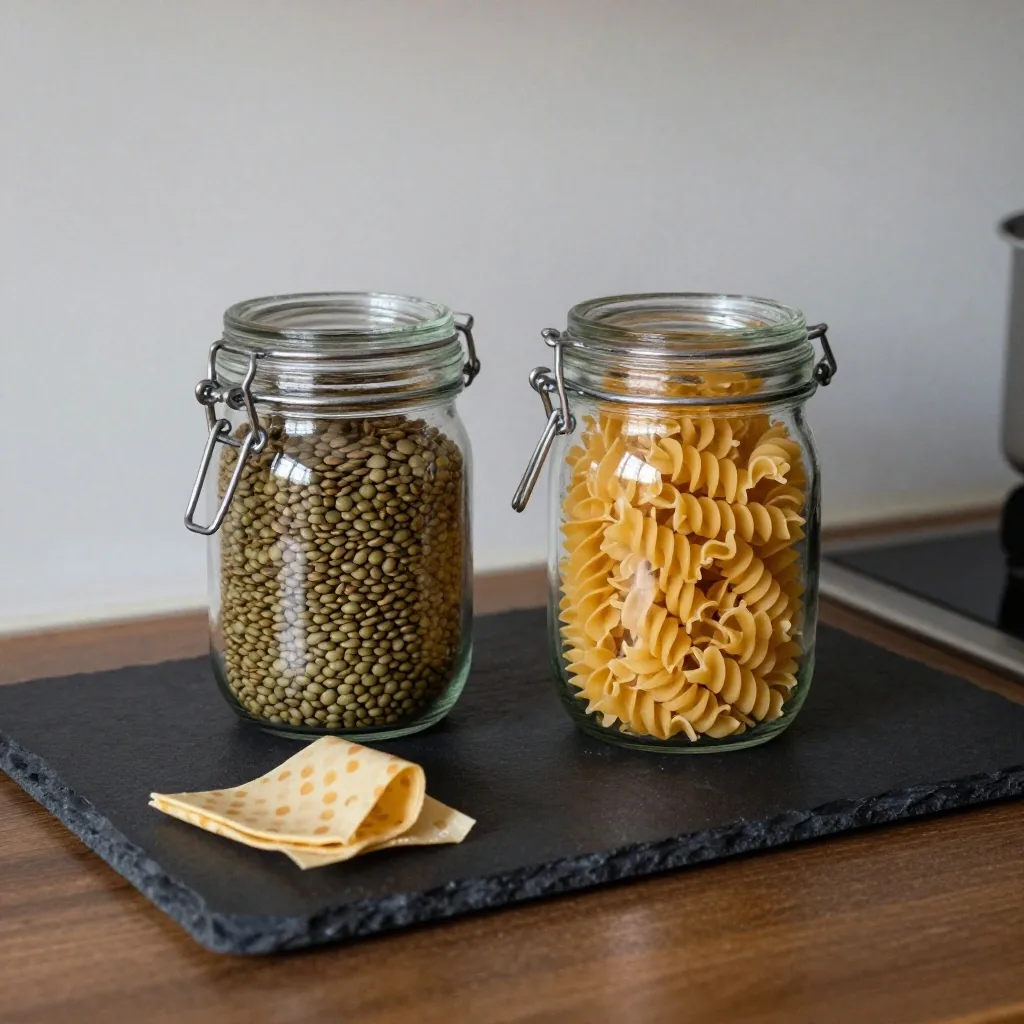 Glass jars and wraps
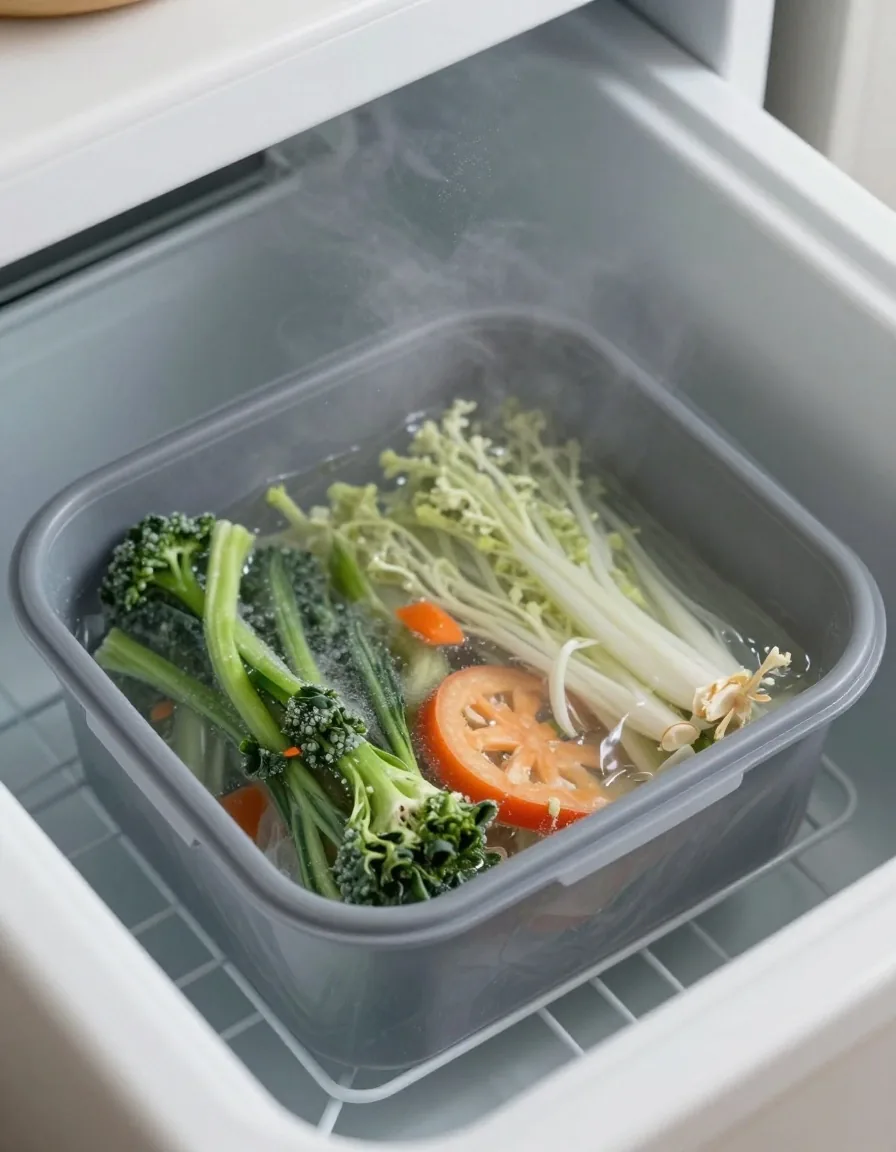 Freezer portions
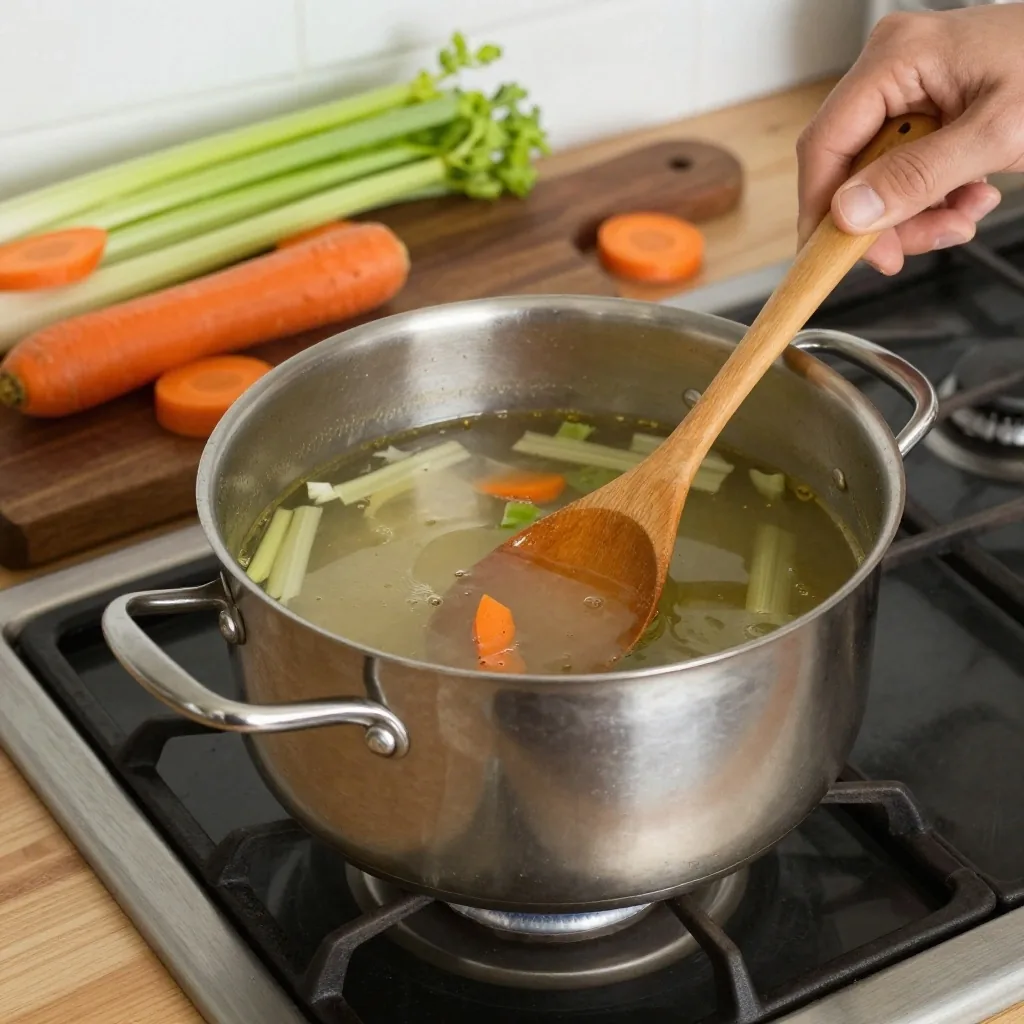 One scrappy meal
Composting and food waste, answered
Do I need a garden to compost?
No. A wormery or a sealed countertop caddy both handle raw vegetable scraps indoors, and neither needs outdoor space. Neither suits cooked food or dairy, though — if that is most of your waste, a sealed hot composter or your council's food waste collection is the more honest route.
How long before I get usable compost?
A garden bin started in spring is usually ready by the following growing season. A wormery produces liquid feed within a few weeks and finished castings over a few months. Cold weather lengthens all of it.
Why does my bin smell?
Almost always too much wet green material and not enough air or brown matter. Add torn cardboard, turn the pile and keep the lid closed. For indoor systems, drain the liquid more often and add scraps in smaller amounts.
Will indoor composting attract flies?
Not if the lid seals and you keep wet scraps out. Fruit flies are a sign the system is too damp or too open. Bury new scraps under older material in a wormery, and keep the caddy closed between uses.
Can I put cooked food in a wormery?
It is best avoided. Cooked food, meat, fish and dairy can draw pests and upset the balance in a wormery or an open bin. A sealed hot composter is built for that job; a standard wormery is not.
Where do I keep it in a small kitchen?
Under the sink, on top of a cupboard, or on a balcony if you have one. A wormery needs a spot that stays between roughly 10 and 25°C, away from radiators and direct sun. A sealed countertop caddy can live on the worktop with no smell when it is run correctly.
What if composting is not practical for me?
Many UK councils collect food waste separately. Using that service still keeps scraps out of landfill, even if you are not the one composting them. Check your council's waste pages for what they accept and how often they collect.
Does this replace recycling?
No — they handle different materials. Recycling takes packaging that a plant can reprocess; composting takes organic matter that breaks down at home. Understanding the upcycling vs recycling difference, and where composting sits between them, helps you stop putting the wrong thing in each bin.
What should I read next?
If you are starting from scratch, the starter guide covers the whole routine. If you would rather change what you buy and how you store it, kitchen and home swaps goes deeper on zero waste kitchen swaps, plastic free food storage and eco friendly kitchen cleaning.
When composting is not practical
If you live somewhere with no outdoor space and no tolerance for an indoor system, council food waste collections are the honest alternative. Many UK councils collect food waste separately in a small caddy, and using that service still keeps scraps out of landfill even though you are not the one composting them.
Composting is one habit in a wider set. If you want the bigger picture — what to buy, what to swap, and where the effort pays off most — start with the beginner tips in our zero waste starter guide, then move on to sustainable shopping tips and creative upcycling ideas for the rooms composting cannot reach.
 Council food waste collection
Rethink & Reuse is an editorial resource for UK households working through zero waste living one habit at a time. We publish practical guides and beginner tips rather than sell products, and we are happy to point you at the right starting point if you are not sure where to begin.
Ask about indoor compostingStart with one bin and one week
Pick the setup that fits your space, give it a week, and adjust the mix from what you see.