
Rethink & Reuse · Sustainable shopping
Sustainable shopping without the guesswork
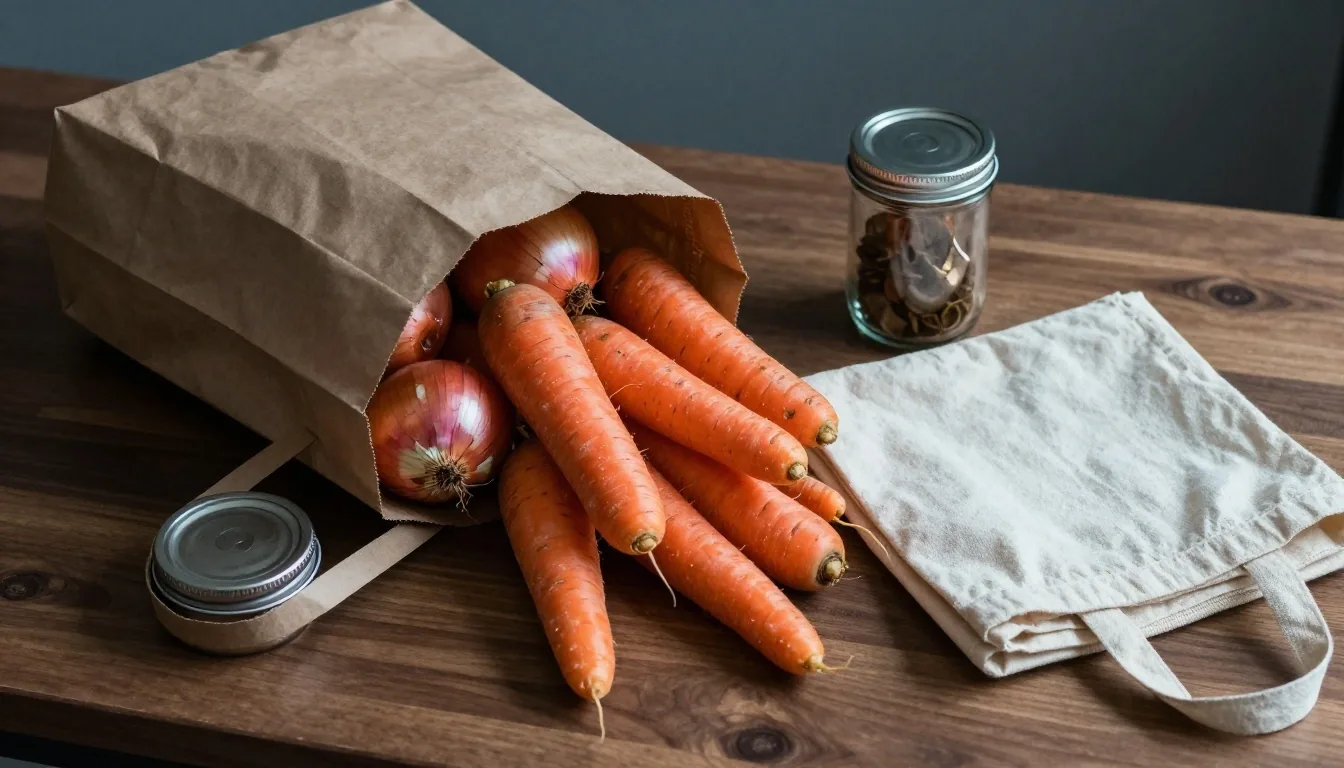
Most of what ends up in your bin was decided at the till. This guide to buying in bulk, reusable produce bags and refill shopping sticks to what actually works in a British kitchen.
Start at the produce aisle
Buy loose where it is practical
The tray of six peppers is not a cheaper pepper. It is a pepper with a plastic collar attached.
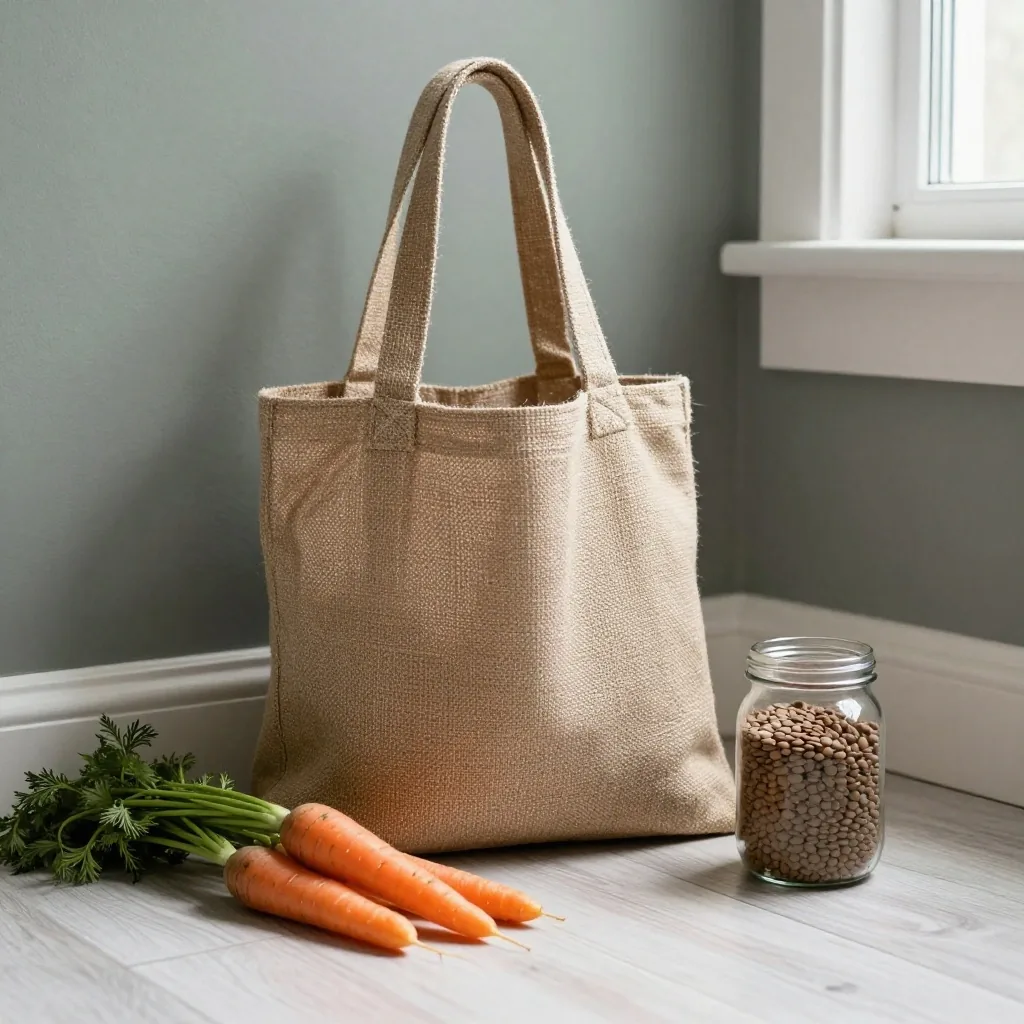
Loose fruit and vegetables skip the trays and film that come wrapped around pre-packed produce, and you buy only the amount you will actually cook. Take a couple of reusable produce bags so the items stay together in your trolley and you are not reaching for the thin roll at the end of the aisle.
Not everything is available loose, and that is fine. Pick the two or three items you buy every single week and commit to those first. Accept packaging where there is genuinely no option, and do not let an imperfect shop stop the habit forming.
Weight, not shelf appeal
How to buy in bulk sensibly
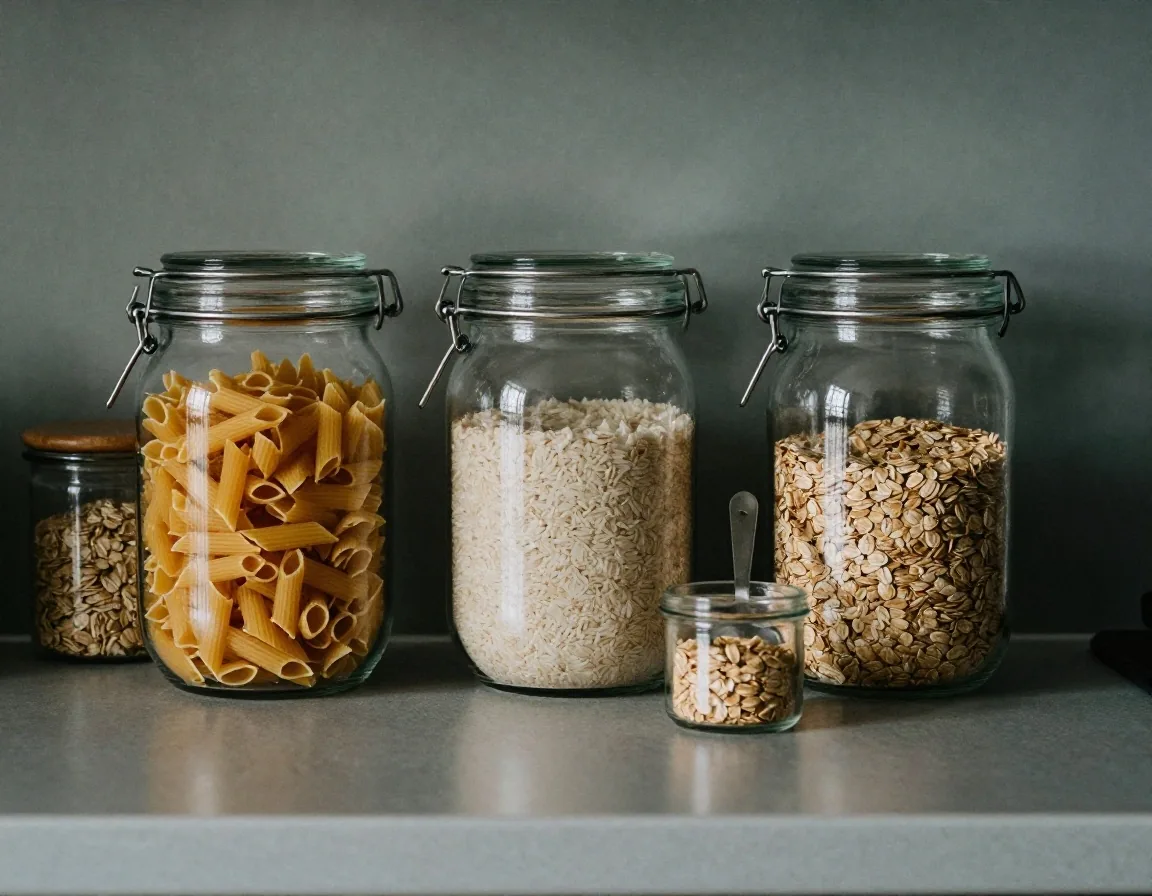
Buying dry goods, rice, pasta and cleaning products in larger amounts cuts the packaging per use — one sack instead of six bags. The catch is storage and spoilage, and that catch catches most people out.
Only buy in bulk what you can store well and get through before it turns. In a small flat, a couple of large airtight containers may be the honest limit. A huge sack that goes stale in the cupboard was never a saving.
- Check the use-by window against how fast your kitchen empties a jar.
- Store in glass or food-grade tubs with a proper seal, away from the oven.
- Split a bulk order with a neighbour when the pack size is too generous.
Bring your own container
Refill shops and how they work
A refill shop sells dry goods and liquids by weight, so you bring your own container and pay for the product inside it. Take clean, dry containers and note the empty weight of each one, because the shop subtracts that from the total. Buy a small amount the first time to check you like the product before committing to a full jar.
Weigh your empties first
Write the empty weight on a strip of masking tape on the lid, or ask the counter to note it. Either works; guessing does not.
Start with a small scoop
Refill suits things you use every week — oats, lentils, washing-up liquid. It is a poor fit for a one-off ingredient you will use twice.
Ask what is behind the counter
Stock levels and container rules vary shop to shop. Ring ahead the first time, or ask us where the nearest refill point is likely to be.
Two essentials worth buying once
Reusable produce bags and beeswax wraps
These two do most of the work in a lower-waste shop, and both fail in predictable ways when they are looked after badly. Here is what to buy and how to keep them going.
Produce bags
How many you actually need
Cloth and mesh bags replace the thin bags in the produce aisle and they wash with your normal laundry, so there is no separate routine to remember. Keep two or three with your main shopping bags and they will be there when you need them.
For a weekly shop, one or two people usually need three to five bags, depending on how much loose produce they buy. Mesh suits wet vegetables; cloth holds heavier roots without stretching.
Beeswax wraps
Buying and caring for them
Wraps replace cling film for some jobs — a cut cheese, half a lemon, a bowl of leftovers. Buy the sizes that match what you wrap most, and check whether the brand allows composting once the wax wears out.
Wash in cool water, air dry, and keep them well away from heat. Looked after properly, a good wrap lasts about a year before the wax needs refreshing or the cloth retires.
Both together
Fitting them into a normal week
Keep the bags in the boot or by the front door, and a wrap on the fridge shelf where the cling film used to live. Habits survive when the tool is closer than the alternative.
Replacing a used roll of cling film and a drawer of thin bags is often the first plastic free alternatives a household tries, because it costs a single purchase and nothing else changes.
Before you add anything new
Secondhand before new
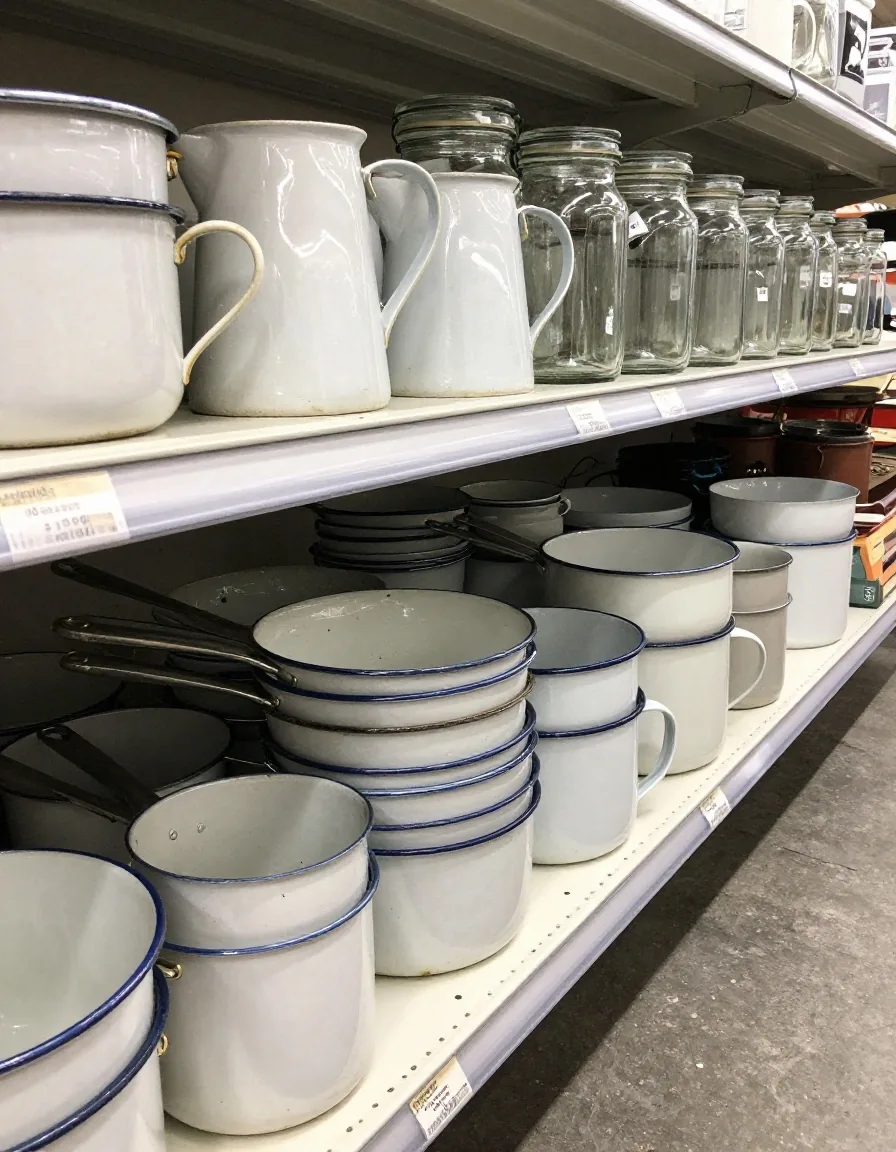
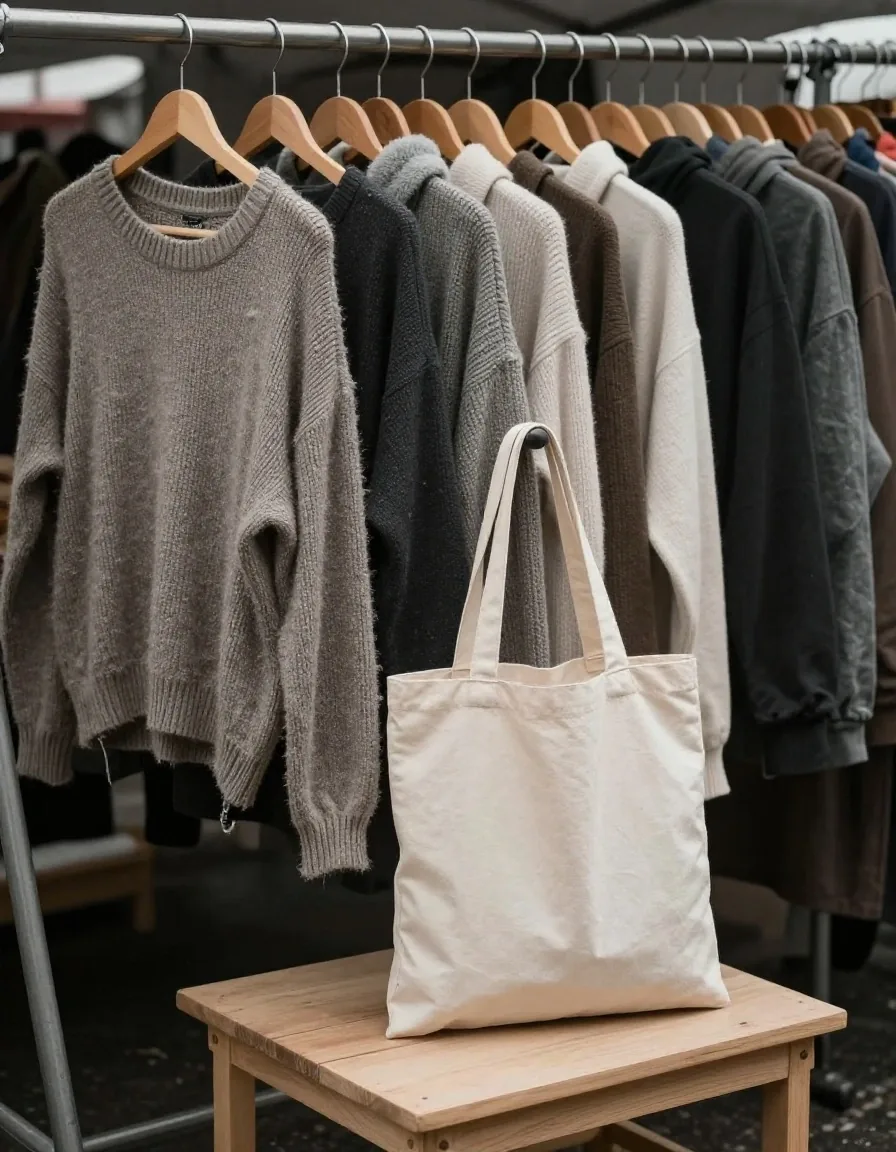
For furniture, clothes and kitchenware, secondhand usually wins on cost and waste at the same time. Charity shops, car boot sales and local online groups hold most of what a home actually needs, and a good deal of it is better made than the new equivalent.
The trick is knowing what you are looking for before you go. A list of two or three things stops a browse turning into a bag of objects you will pass on again next year.
Check condition, check the seams and the hinges, and only take what you will genuinely use. Secondhand is not free storage.
Buy once, keep it working
When new is the better choice
The greenest kettle is the one you do not replace twice in three years.
Some things are worth buying new: anything that needs to be safe, durable or precise. A secondhand electrical item with an unknown history is a risk you do not need to take in the kitchen. A cheap new one that fails within months is just as much of a waste, and it has cost you the same money twice.
The goal is to buy once and keep it, not to avoid new purchases at all costs. Where you do buy new, spend on the part that wears — the blade, the seal, the hinge — and check whether spares are sold. An item with replaceable parts outlasts a cheaper one with none.
Keeping it going
Keeping shopping lower-waste over time
The routine matters more than any single purchase. Keep your bags and containers ready, buy loose for the items you use most, and choose refills where they exist. None of it requires a lifestyle overhaul — just a few habits that stick.
The trolley
What if I forget my bags?
Buy the loose items you can carry and leave the rest for next time. One forgotten bag does not undo the habit, and the roll of thin bags is not the end of the world — it is just the option you were trying to skip.
Is loose produce more expensive?
Per kilo it is often the same or cheaper, and you only pay for what you take. The saving is realest when you buy exactly what you will cook rather than a fixed pack that sends two peppers soft.
The cupboard
How much bulk is too much?
If the container will not seal, you have bought too much. Buy the pack size your storage can hold and your household will eat inside the date, and split a large order with a neighbour when it is cheaper that way.
Do refill shops cost more?
Prices vary by shop and by product, and you are paying for the contents rather than the container. Buy a small amount first and compare per kilo against your usual brand before you commit to a full jar.
Everyday
Where do wraps fit in?
They are not a straight swap for cling film everywhere. Use them on cool, dry foods and lidded tubs for anything wet. Cool water and air drying keep the wax working; a hot tap strips it.
What about food waste itself?
Once the shop is sorted, the peelings and trimmings still need somewhere to go. Our composting guide covers what to do with food scraps at home, including the simple caddy-and-bin setup that suits most kitchens.
Where to go next
Guides that pick up where this one stops
Shopping is one habit among several. The rest of the library covers the kitchen, the bin and the things you already own.
Start with the guide, not the shopping list
Pick one swap this week, then let the next one follow.