
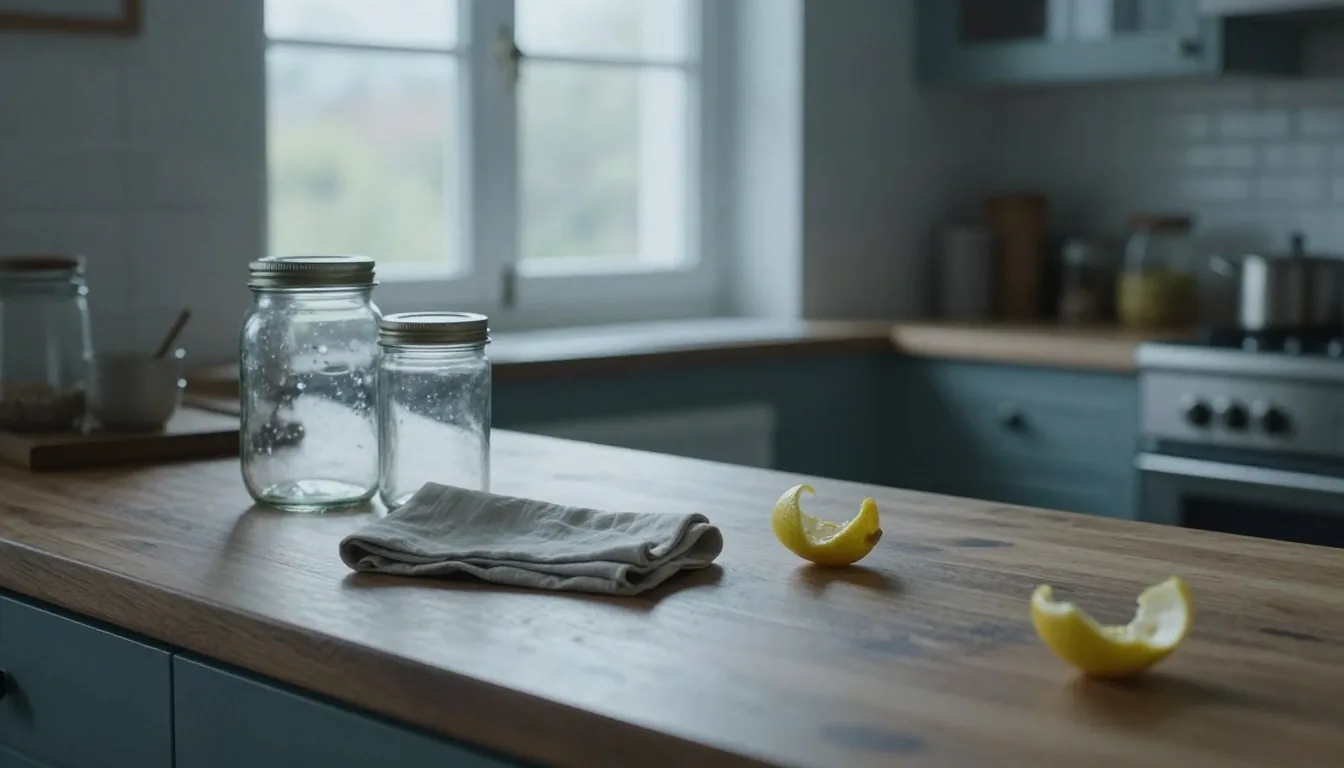
Kitchen and home swaps
Zero waste kitchen swaps that actually get used
The kitchen makes more household waste than any other room, and it is also where the easiest replacements live. This guide covers the swaps that hold up in a real UK kitchen, week after week.
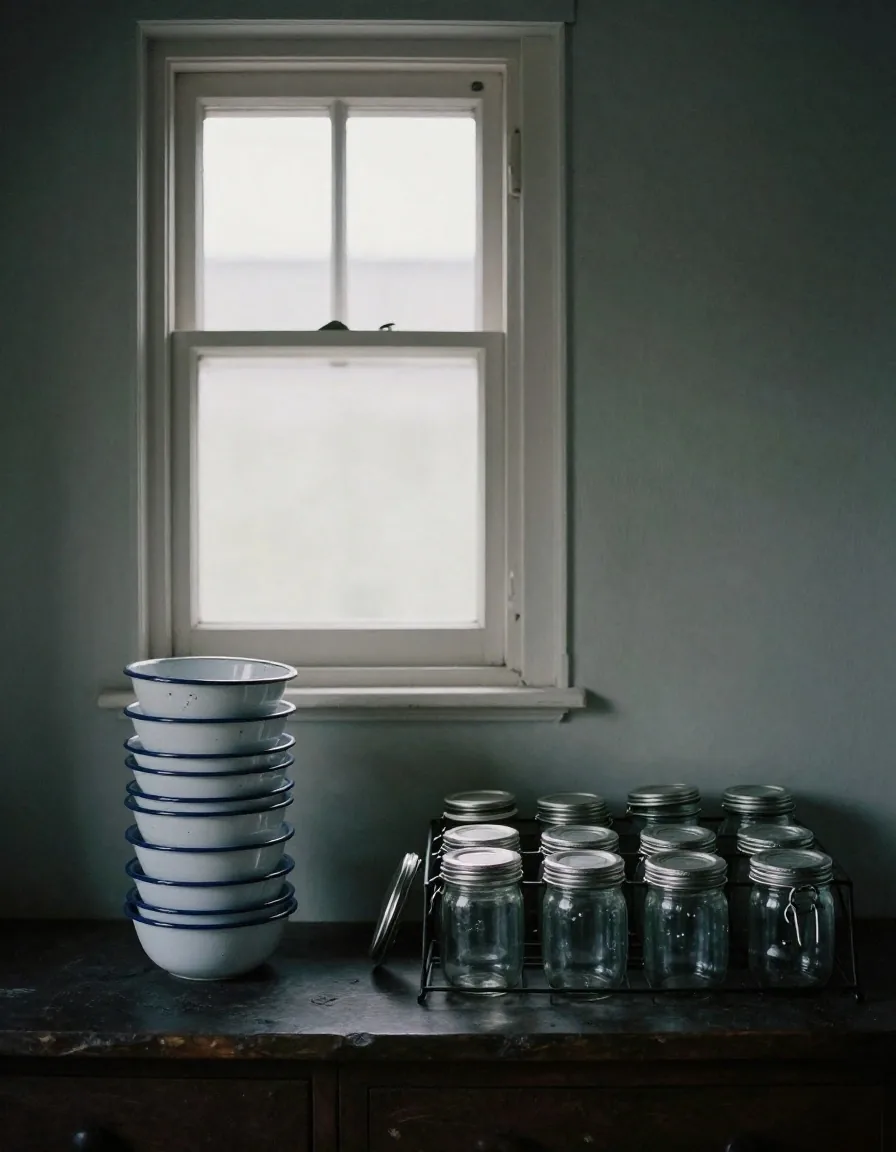
Before you buy anything
Pick swaps by the habit they fit, not by the shelf they come from
A reusable thing you stop reaching for is still waste. It just cost more.
Finding a zero waste kitchen swap is not the hard part any more. Supermarkets, refill shops and high-street hardware stores all stock plastic free alternatives, and most of them work. The trouble starts three weeks later, when the new item has moved to the back of a cupboard and the old disposable one has crept back onto the counter.
So treat this page as a filter rather than a shopping list. Each swap below comes with the situations it genuinely suits, and the ones where it does not. If you want the wider picture first, the Zero Waste Starter Guide sets out the order most households find easiest, and it is a lower-waste starting point than buying a full kit in one go.
Aim for two or three working swaps per month, not a whole new kitchen at once.
Measure your cupboard and shelf space before ordering containers or tins.
Buy one of a new item first and see whether you actually reach for it.
Keep the reusable option nearer than the disposable one, or the habit will slip.
Swap one
Food storage without the plastic film
Cling film is the one thing nobody replaces one for one. Build a small set instead.
Cling film is convenient and it is genuinely hard to match like for like. A role of it covers a bowl, wraps half a cucumber and seals a sandwich plate, and no single reusable item does all three. The honest answer is a small mixed set. Two or three types of plastic free food storage cover almost everything a home kitchen throws at them.
Beeswax wraps handle cheese, cut vegetables and covering a bowl, but they do not like raw meat or very wet food. Glass containers with lids take leftovers and freezer portions and go straight from fridge to table. Silicone lids stretch over bowls and tins and replace a lot of film on their own. Buy one of each rather than a matched set, then add what you find yourself short of.
Works best for: cheese, cut veg, bowl covers, leftovers, freezer portions.
Skip it for: raw meat, fish, very wet food, anything going into a hot oven.
What to check before buying: whether the lid seals without a rubber gasket you will lose, and whether the container stacks with the ones you already own.
Swap two
The reusable produce bag question
The bag is not the problem. Remembering it is.
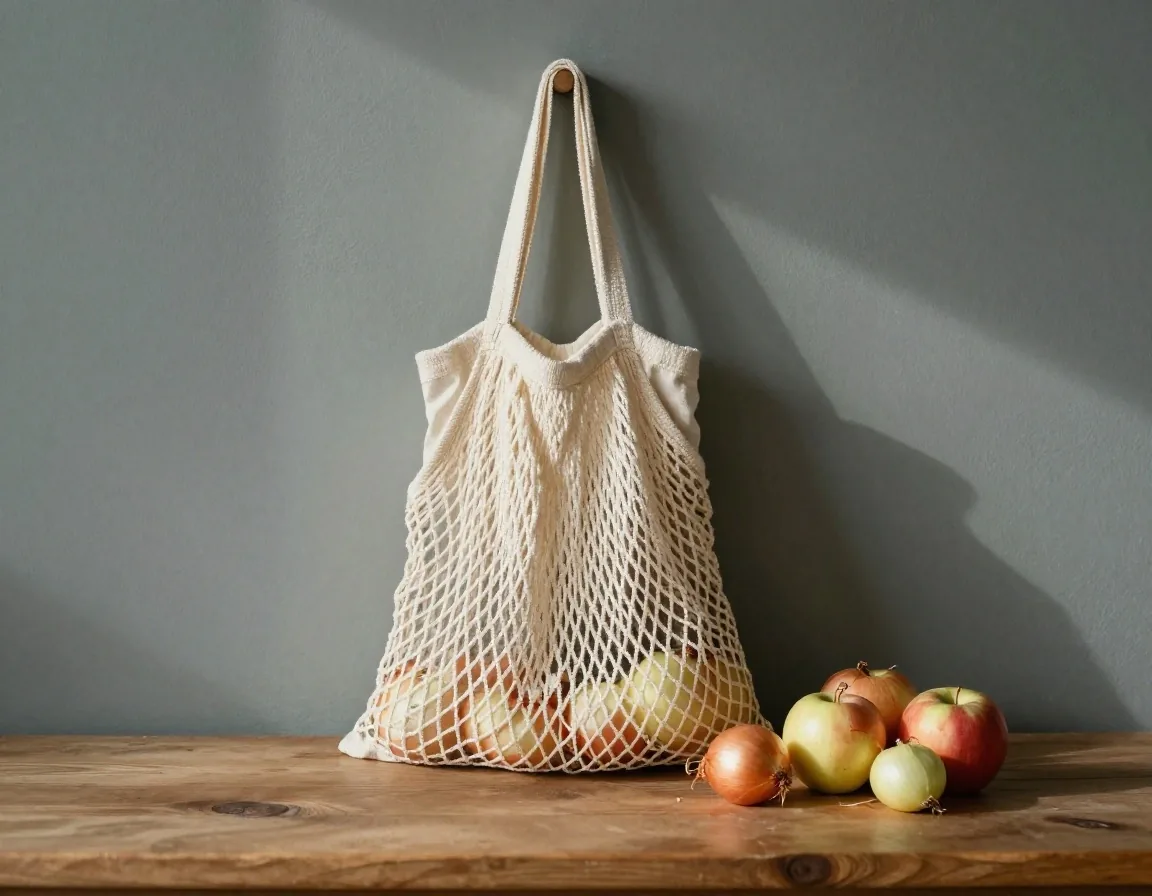
A cloth or mesh produce bag replaces the thin plastic bags at the supermarket, and most of them cost less than a week of the disposables. The catch is that a reusable produce bag only works if it is in your hand at the till. Keep them folded inside your main shopping bag so the two always travel together, and put a spare set in the car or by the front door.
Two or three bags fit a normal weekly shop for one or two people. Larger households need more, or accept that loose items go straight into the trolley, which saves the bag entirely. Mesh suits anything that needs to breathe; cloth suits heavier root vegetables. Weigh your bags loosely rather than packing them tight, because a full bag is harder to check at the till and slows the queue behind you.
Swap three
Cleaning with less packaging
One concentrate, one spray bottle, one set of cloths. That is most of a kitchen.
Concentrate
Refillable cleaning concentrate
A single bottle of eco friendly kitchen cleaning concentrate makes several spray bottles of cleaner once diluted. That removes the plastic bottle you used to buy every few weeks, and it takes up less cupboard space than a row of ready-mixed sprays. Follow the dilution on the label rather than guessing, because a stronger mix does not clean better and it costs more.
Cloths
Cloth wipes instead of paper towels
Cloth wipes handle most spills on a worktop, and they go in the wash with the tea towels you were running anyway. Keep a small stack by the sink and a second stack in the cupboard. Give cloths used on raw meat a hot wash on their own before they go back into general rotation.
Dishwashing
Solid soap and washing-up blocks
Bar soap and solid washing-up blocks arrive without a plastic sleeve, and they last longer than most people expect. Store them on a draining dish so they dry between uses, otherwise they soften and disappear faster than the bottled version ever did.
For a normal kitchen, a spray bottle, a concentrate and a set of cloths cover nearly everything. Floor cleaner and specialist products can stay as they are until the bottle runs out.
Swap four
Beeswax wraps: use and care
Heat is what kills them. Everything else is easy.
Beeswax wraps last about a year with decent care, and that year depends almost entirely on how you wash them. Use cool water and a little soap, rub gently, then let them air dry over a rack. Never hot water, never a dishwasher, and never a radiator or a warm windowsill. Heat melts the wax into the fabric and the wrap stops clinging for good.
They are not for raw meat or fish, and they are not a replacement for a sealed container when something is going into a bag or a lunchbox. When the wax wears thin or starts to crack, some brands can be refreshed at home and others can go into the compost, so check which one you are buying before you commit. A wrap that cannot be refreshed is a slower disposable, not a reusable one.
Swap five
Storage that fits a small kitchen
A few containers that fit your shelves beat a large set that does not.
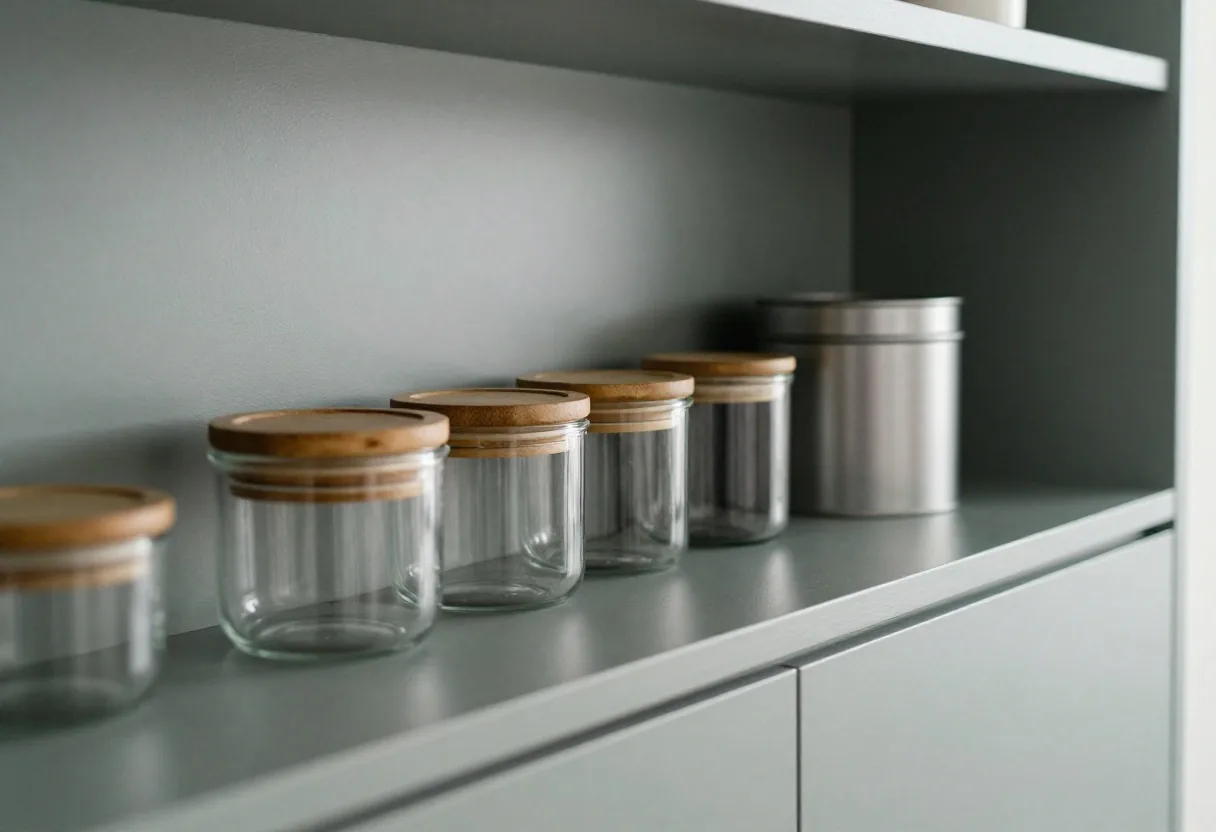
Small kitchens punish bulky containers. Nesting glass containers and stackable tins save space because they collapse into each other when they are empty, and they are the two forms that survive the tightest cupboard without buying a whole new storage system. Measure your cupboard, including the shelf gap, before you order anything.
This is where most sustainable home essentials go wrong. A five-piece set looks like good value until three pieces are the wrong height for your shelves and you are back to stacking plastic tubs on the floor. Two containers that fit properly, plus two tins, will do more work than eight that do not. If your kitchen is genuinely short on space, look at what you can repurpose first: clean glass jars you already have become pantry storage and dried-goods tins with no new purchase at all.
Worth doing: measure shelf height and the depth of the door shelf before ordering.
Worth doing: choose one or two sizes and buy several of that size, not a mixed set.
Not worth it: a twelve-piece set bought online before you have checked the shelf.
An honest filter
What is not worth swapping
Some eco friendly living ideas cost more in money or effort than they save, and repeating them is what makes people give up on the whole project. Read this part before you buy anything.
Skip these unless the habit already exists
- Reusable straws They rarely get used unless you already drink through a straw daily. If you do not, a metal straw becomes drawer clutter with a story attached.
- Cloth napkins They only work if you are already doing laundry often enough to absorb them. In a household that washes once a week, a stack of napkins joins the same wash without extra cost.
- Bamboo cutlery sets Useful if you regularly eat lunch out. If you mostly eat at home, a set from the kitchen drawer does the same job for nothing.
- A ready-made zero waste starter kit Kits are convenient but they usually include two or three items you would not have chosen for your own kitchen. Buy the pieces you need, one at a time.
What actually holds up
The swaps that stick are the ones that remove a chore rather than add one. A produce bag you keep inside the shopping bag adds nothing to the trip. A glass container that goes from fridge to table removes a washing-up step at the end of the meal. A refillable concentrate means one trip to the shop instead of a bottle every fortnight.
The swaps that fail are the ones that ask for a separate routine: rinsing and drying wraps after every use, carrying a container set to a shop that may not accept it, sorting rubbish into more bins than your kitchen has room for. None of those are bad ideas in the right household. They are just bad first swaps. Start with the easy ones and the harder ones get easier, because the routine is already running.
If you want a comparison against other routes for the same kitchen waste, our guide to the difference between upcycling and recycling explains which route suits which kind of item.
Swap six
Buying refills without overbuying
Refill shops save packaging, but only if you use what you buy.
Buying in bulk is a good habit with a bad failure mode. A kilo of oats that goes stale is more waste than the small packet you would have finished. Buy small the first time.
-
Take your own containers
Weigh them at home and write the weight on the lid, or ask the shop to tare them at the counter before filling. Most refill shops will do this without being asked, but it saves time if you have the number ready.
-
Buy small the first time
Test a new dry good or cleaning refill in a small amount before committing. Rice, pasta and oats all keep well, but spices, oils and anything with a strong scent go off long before you finish a large bag.
-
Fill only the containers you will use
Two containers that get refilled every month do more than six that sit half-full. If a container has not been emptied twice, it is holding stock you are not using.
-
Keep a running list
Write down what ran out and how long it took. After two or three trips you will know your actual consumption, and the list stops you buying a second bag of something still sitting at the back of the shelf.
Keeping it going
Put the swaps where you use them
When the reusable option is the obvious one, the habit sticks.
Wraps near the fridge, cloths by the sink, bags by the door, containers on the shelf you actually open. If a reusable item lives two cupboards away from where you need it, you will reach for the nearest thing instead. Placement does more for sustainable lifestyle habits than willpower does.
Restocking is the other half. Keep a spare concentrate in the cupboard before the current one runs dry, and wash the cloths on the day they start to smell rather than letting them pile up. Zoning one shelf for the refill jars saves a second trip and stops the dry goods from drifting into the back of the cupboard.
Wraps beside the cheese and cut veg, not in a drawer.
Cloths on a small rack by the sink so they dry between uses.
Produce bags folded inside the shopping bag by the front door.
One shelf for refill containers, restocked before the jar is empty.
Getting started
Which kitchen swap should a beginner do first?
Start with the swap that removes the most single-use packaging from your existing routine, not the one that looks best on a shelf. For most households that is either the produce bag you remember to carry, or a refillable cleaning concentrate. Both replace something you already buy every month.
Does a swap need to be new to count?
No. Reusing everyday items you already own, such as clean glass jars and old cotton shirts cut into cloths, costs nothing and saves the packaging of a replacement. Buying nothing is the most effective swap on this page.
Care and hygiene
How do I wash beeswax wraps without ruining them?
Cool water, a little soap, a gentle rub with your fingers, then air dry flat or over a rack. Keep them away from hot taps, dishwashers, radiators and sunny windowsills. Warmth is what thins the wax and ends the wrap's working life early.
Are cloths hygienic enough for the kitchen?
Yes, with two rules. Wash them often enough that they never sit damp overnight, and give cloths used on raw meat a separate hot wash before they go back into general use. A cloth that smells sour is not clean, whatever it looks like.
Buying and refills
How much should I buy the first time at a refill shop?
Less than you think. Take one container and fill it part-way the first time so you can see how long it lasts and whether you actually like the product. Refills save packaging only when the contents get used, so start small and top up on the next trip.
Where do food scraps fit in?
Swaps reduce what you throw away; composting handles what is left. Peelings, coffee grounds and tea leaves are better dealt with at home than in the bin, and our guide to composting food scraps at home covers the simple setups that work in a small UK kitchen.
Two swaps that cost nothing
Jars and cloths you already have
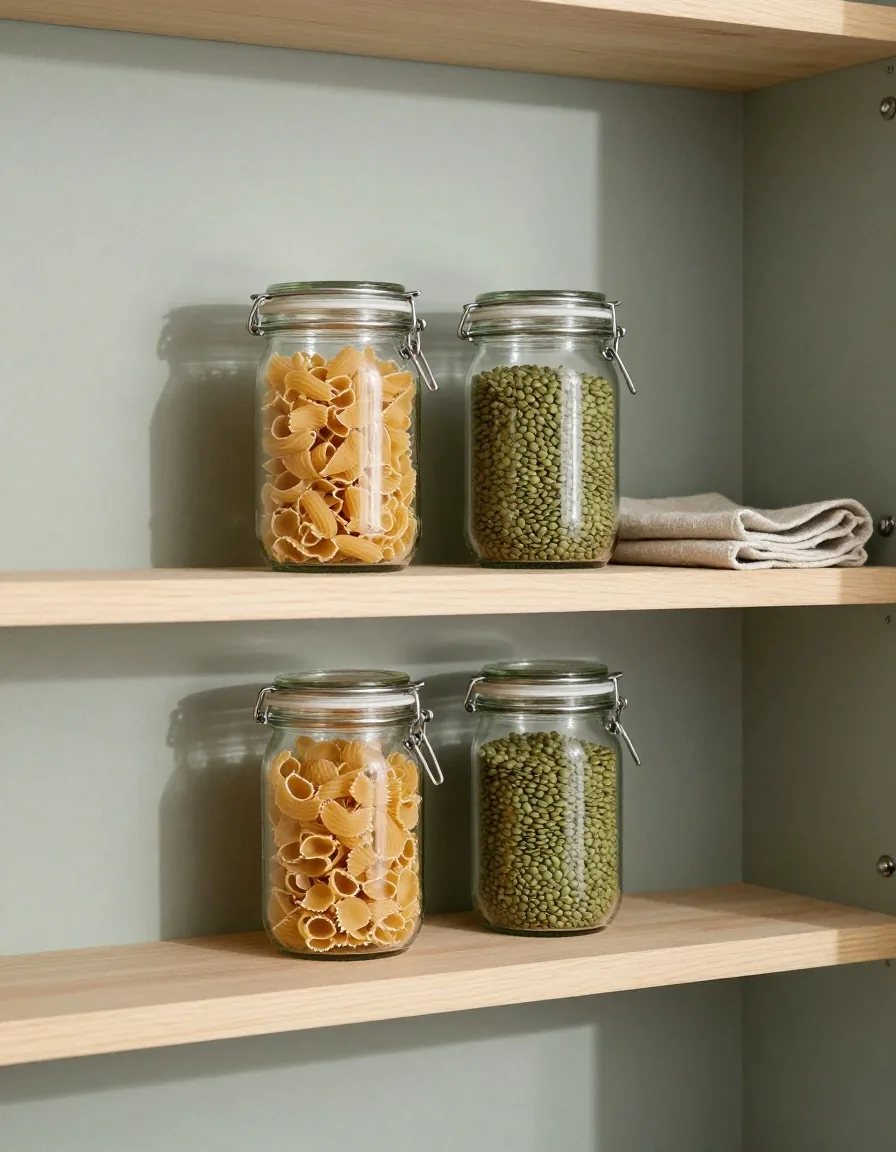
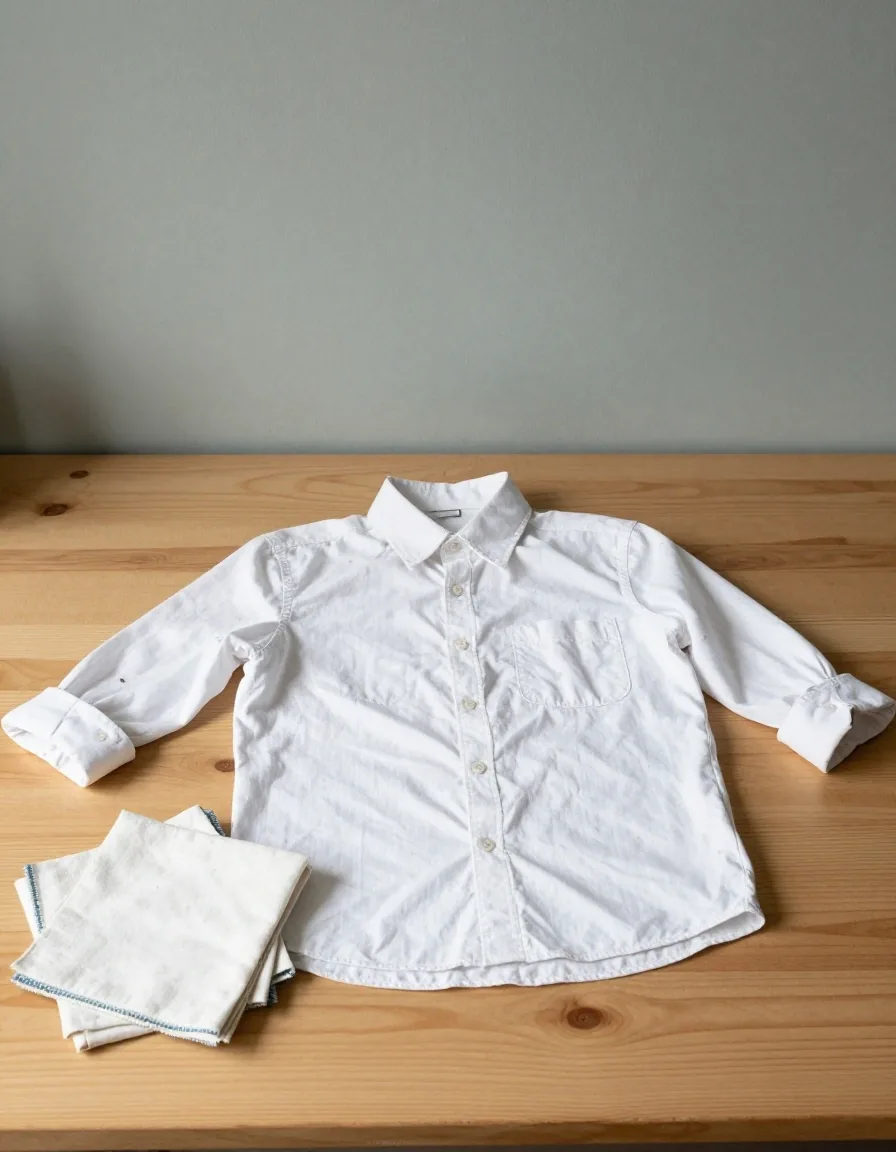
Two of the most useful kitchen swaps require no purchase at all. Soak the label off a glass jar and it becomes pantry storage for pasta, rice, lentils or spice. Cut up worn cotton shirts and you have kitchen cloths with the hem already sewn, which is one of the simplest creative upcycling ideas to start with.
If you want to take that further, from jars with painted lids to a shelf rebuilt from an old crate, there are plenty more simple upcycling projects to try, and none of them need special tools. Our upcycling projects section covers projects sorted by how much time they take, including upcycled home decor DIY and ideas for the kitchen worktop.
Start somewhere small
Pick one swap and run it for a month
One swap that survives a month is worth more than a cupboard of good intentions.
Email us at [email protected] with the swap you are stuck on and we will point you at the right guide.
Phone +44 20 7946 0821 Monday to Friday, 9:00 AM to 6:00 PM, and Saturday, 10:00 AM to 2:00 PM.
Write to us at 42 Bramley Road, London, N14 4HD, United Kingdom.