
The difference that decides what happens next
Upcycling vs recycling: which fits your item
People use upcycling and recycling as if they mean the same thing, but they lead to different outcomes. Recycling breaks a material down and makes something new from it, often using energy and losing quality. Upcycling keeps the item and gives it a new job.
Try reuse first. Repair second. Recycle last. That order keeps the most value in the item.
A practical guide for UK households, written by the Rethink & Reuse editorial team.
Two routes, two very different results
Recycling sends an item away to be reprocessed. Upcycling keeps it here, in your home, doing a job it was not originally made for. That single difference — sent away versus kept — drives everything else: the energy used, the quality you end up with, and whether the item is still useful to you next month.
For a household trying to cut waste, both routes matter. What matters more is knowing when each one applies, because sending a perfectly good jar to the recycling bin is a small loss, and binning something that could have been repaired is a bigger one. This page walks through what each process actually does, which materials suit which approach, and the order of thinking that works best before anything leaves your kitchen.
The mechanical route
What recycling actually does
It breaks the material down, not the object.
Recycling processes a material so it can be used again as raw material. The item you put in the bin is shredded, melted, or pulped, and whatever comes out is a new manufacturing input. The object you owned does not survive that journey.
Glass and metal recycle well and can be processed many times without much loss. Plastic is harder. Mixed and soft plastics often cannot be recycled economically, so they may end up in waste regardless of which bin they went into.
Rules differ across the UK, and they change. Check what your council accepts before you rely on a bin, because a container that accepts rigid plastic bottles in one borough may reject trays and film in the next.
Recycling is worth doing, but it is the end of a chain, not the start of one. Once an item is reprocessed you have no say in what it becomes, and the energy used to remelt or re-pulp it is energy that a repair would have avoided entirely.
The household route
What upcycling actually does
The item never leaves the house to become something else.
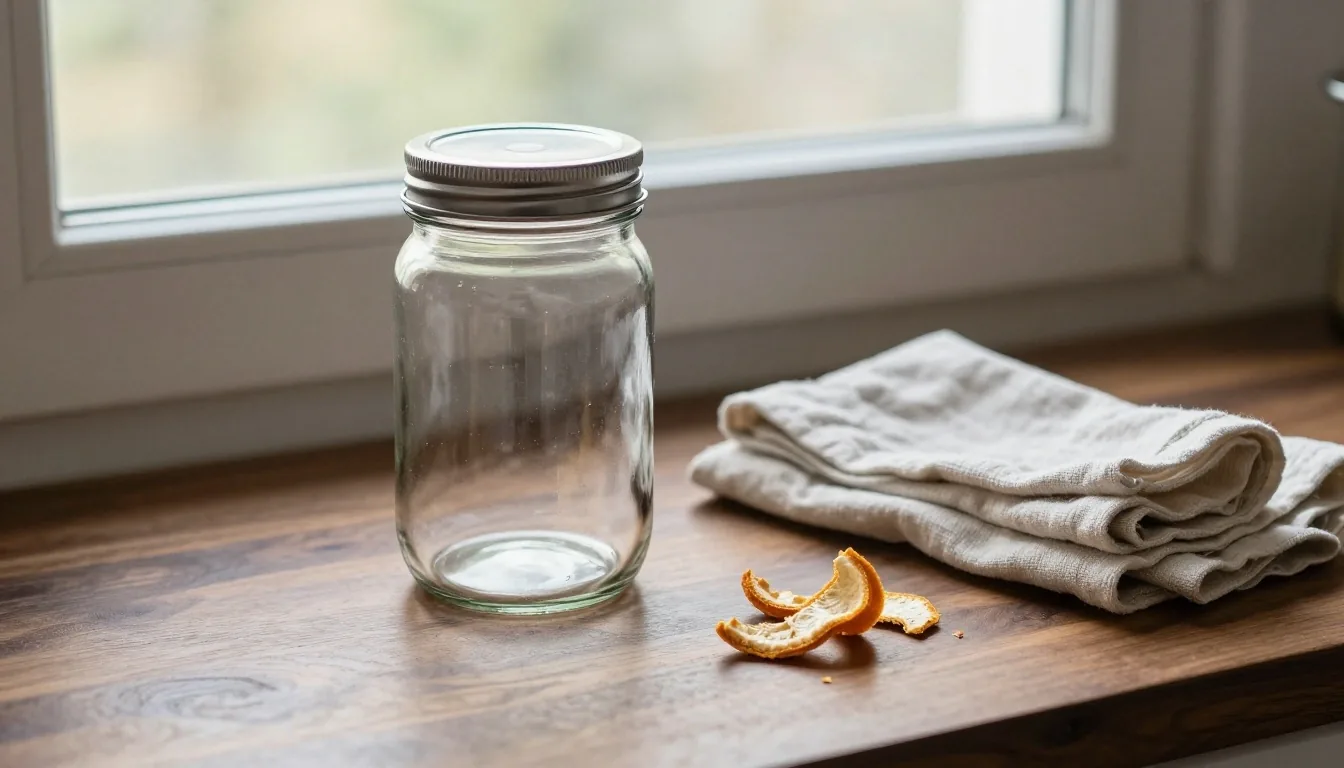
Upcycling keeps an item whole and changes its use. A jar becomes storage. A shirt becomes cloth. A crate becomes a shelf. Nothing is reprocessed, so the material, the shape, and the strength it already has all carry over to the new job.
It uses less energy than recycling because there is no melting, pulping, or transport to a processing plant. What it does use is your time and a small amount of judgement about what the finished thing will be.
The limit is real. The result has to be something you will actually use. If the new version sits in a cupboard because it never found a job, you have not upcycled anything — you have made clutter with extra steps, and the original problem is still waiting.
Glass jars
Storage for dry goods, pens, buttons, or a paint-water jar for the next project.
Old clothes
Cleaning cloths, patched knees, cushion covers, or a quilt made from worn shirts.
Timber and crates
Shelving, planters, a shoe rack, or a step stool with a fresh sanded face.
The order that works best
Try to reuse or repair first. If the item still works, keep it. If it is past its original job, see whether it can become something else. Only when neither option fits should you recycle. Recycling is the last stop before waste, not the first response, and this order keeps the most value in the item.
-
Keep it
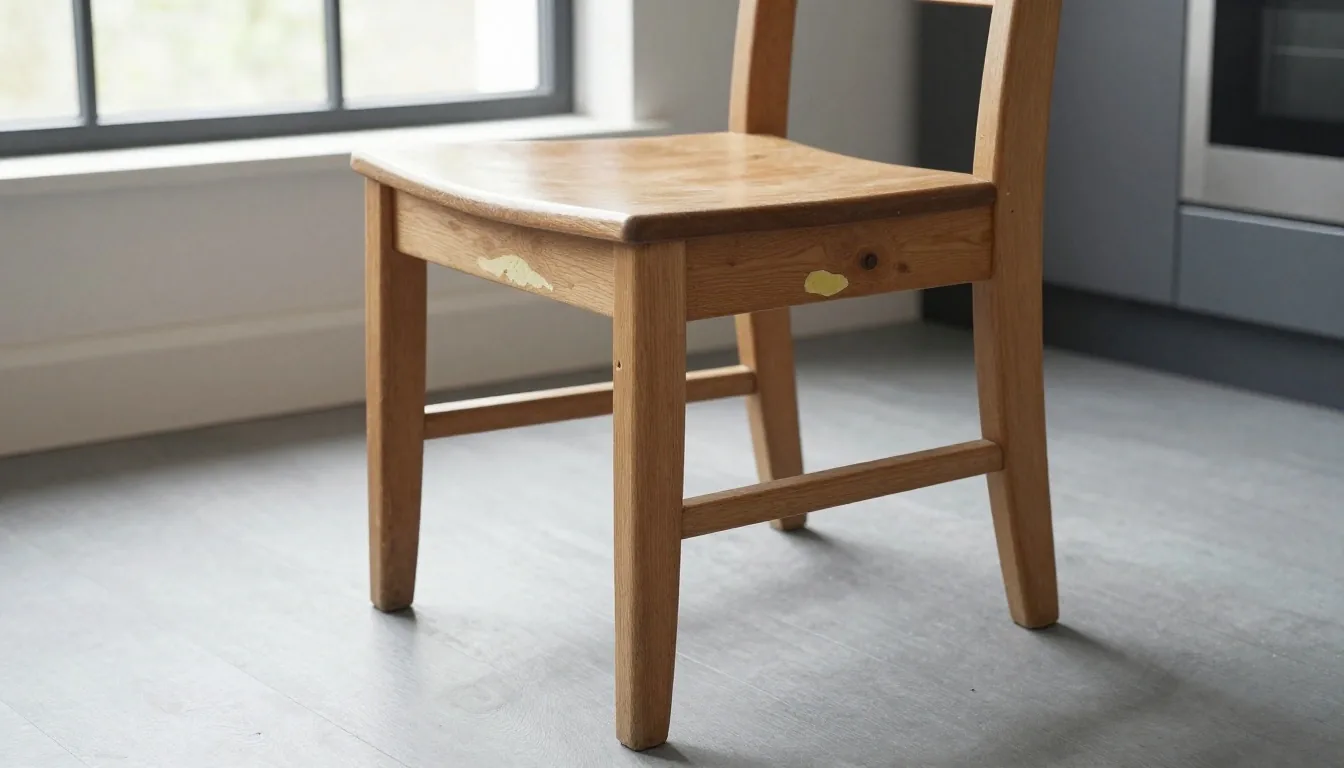
If it still works, it is not waste yet. A chair with a wobble, a lamp with a loose connection, a coat with a missing button — these are repair jobs, not bin jobs.
Costs nothing. Saves the most.
-
Make it something else
If it is past its original job but still sound, give it a new one. A jar becomes storage, a shirt becomes cloth, a crate becomes a shelf. This is where creative upcycling ideas earn their place.
Uses time and a bit of judgement.
-
Recycle it
Only when the item cannot be kept, repaired, or given a new use, and only where your council accepts that material. This is the correct choice for a lot of packaging — and the wrong one for a jar you would have used.
Last stop before waste.
Which materials suit which approach
Match the approach to the material. Some household items upcycle well and recycle well. Others are genuinely awkward, and knowing that in advance saves you a wasted trip to the kerbside.
Glass and metal
- Both upcycle and recycle well. This is the rare case where you genuinely have a choice.
- Jars take a new job easily: dry goods storage, seed trays, paint water. Cans become pen pots or planters with a filed edge.
- If the item has no conceivable second use, kerbside recycling handles both cleanly.
Textiles
- Harder to recycle in the UK, so repurposing old clothes usually makes more sense than binning them.
- Worn cotton becomes cleaning cloths, patches, or stuffing. Denim and knitwear have the longest second lives.
- Check with your council before relying on a textile collection — coverage is patchy.
Soft plastics
- The trickiest group. Most cannot be recycled at the kerbside, and a lot of it cannot be upcycled into anything durable either.
- Avoiding soft plastic in the first place beats both routes. That is where zero waste kitchen swaps and plastic free food storage actually pay off.
- Where you already have it, use it until it fails, then follow your council's guidance.
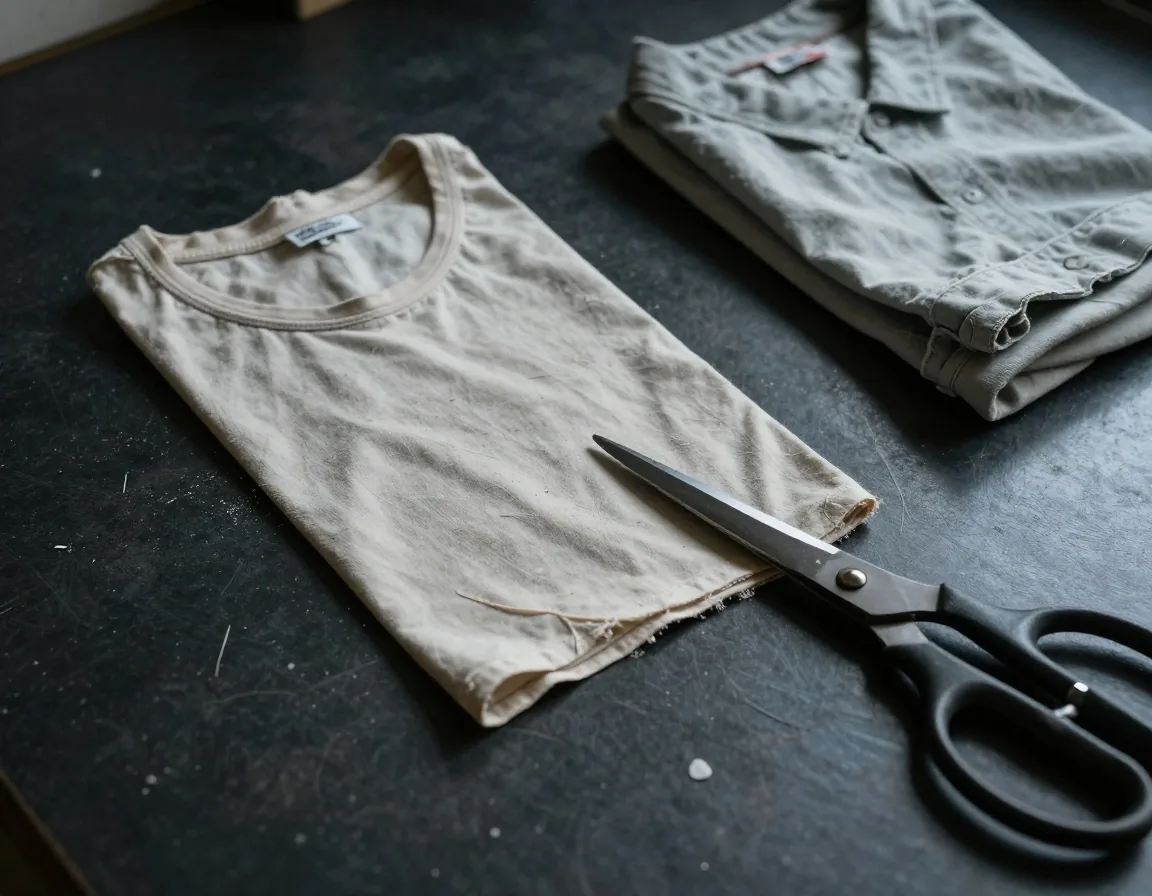
A shirt that fails as clothing still works as cloth.
One item, two very different endings
Take a cotton shirt with a blown elbow. Sent to a textile bank, it becomes low-grade fibre with an uncertain destination. Cut into cloths at home, it becomes something you will pick up every week for the next two years. Same shirt, same material — the route decides the value.
That is the clearest way to see the upcycling vs recycling difference in practice. Recycling recovers the material at a cost. Upcycling recovers the usefulness for free.
When to stop
When upcycling is the wrong choice
A dangerous upcycle is worse than no upcycle.
Broken electronics are the main one. A lamp with damaged wiring, a charger with a cracked casing, anything with a swollen battery — these are not craft materials. They go to a proper electrical collection point.
Anything with a safety role is off the list too. Child car seats, cycle helmets, ladder sections, smoke alarms and fire blankets have all done a job that a home repair cannot certify. Replace them.
Then there is the honest category: items you have no use for. If you cannot name where the finished thing will live, upcycling it is not a plan. Pass it on to someone who wants it, or recycle it properly.
The test is simple. If a project feels risky, or the result would need a warning label, do not do it. There is no shame in skipping a project and there is no prize for finishing a bad one.
Common mistakes people make
Three habits account for most of the wasted material in a normal home. A quick check before you act avoids all three.
See kitchen swap ideasAssuming everything can be recycled
Local rules say otherwise more often than people expect. A tray, a film lid, or a compostable cup may have to go in general waste in your area even if it carries a recycling symbol. Look it up once and you will not repeat the mistake.
Hoarding "someday" items
The tin, the fabric offcuts, the box of broken handles — kept for a project that never arrives. If an item has waited more than a few months without a plan, it is taking up more space than it is worth. Give it a deadline or let it go.
Binning something fixable in five minutes
A loose screw, a missing button, a fuse, a stitch. These are the cheapest wins available in a low waste home, and they are the ones most often skipped because the bin is closer than the toolbox. Move the toolbox closer.
How this fits saving money and waste
Repairing and upcycling usually cost less than replacing, and they cut what you send to waste. They also take less energy than buying new. The savings add up over a year, especially for furniture and clothes, where a repair can be the difference between one purchase in a decade and three.
It is not about being clever with crafts. It is about pausing before you bin something. The pause is the whole method — everything else on this page is just what you do with the pause once you have taken it.
Questions we get about the two routes
Is upcycling always better than recycling?
No. Upcycling keeps more value in the item, but only if the result gets used. For packaging you will never reuse, recycling is the better answer. The goal is not to upcycle everything — it is to stop sending useful things to waste.
Which one should I try first as a beginner?
Start with something you already have a use for. Washing and reusing a jar as dry goods storage is the simplest honest upcycle there is, and it teaches you the habit faster than any craft project. Some of the best zero waste tips for beginners are just a pause and a second look at what you were about to throw out.
Does upcycling count towards zero waste living?
It sits right at the centre of it. Zero waste living is about keeping materials in use for as long as possible, and reusing everyday items is the most direct way to do that. Alongside composting food scraps at home and other sustainable lifestyle habits, it is one of the few changes that pays you back in the same week.
What if my council does not recycle what I have?
Then it is an upcycle question, not a recycling one. Check whether the item has a use before it goes in general waste, and if it does not, use the correct disposal route for that material. Getting this right once saves you guessing every week.
Where to go next
Put the rule to work on something in front of you
If it works, keep it. If it can become useful, upcycle it. If it cannot, recycle it where your council allows. That order handles almost everything in a normal home and it saves money, space and waste at the same time.
Not sure which route suits the thing in your hand? Tell us what it is and we will talk it through with you.
Email [email protected] or call +44 20 7946 0821, Monday to Friday 9:00 AM – 6:00 PM, Saturday 10:00 AM – 2:00 PM.