
Crate shelf
Wall or shelf storage
Stack two crates on their sides and fix them to a stud, or leave them free-standing under a desk. Slatted crates read better unpainted; sand the rough edges and leave the grain showing.
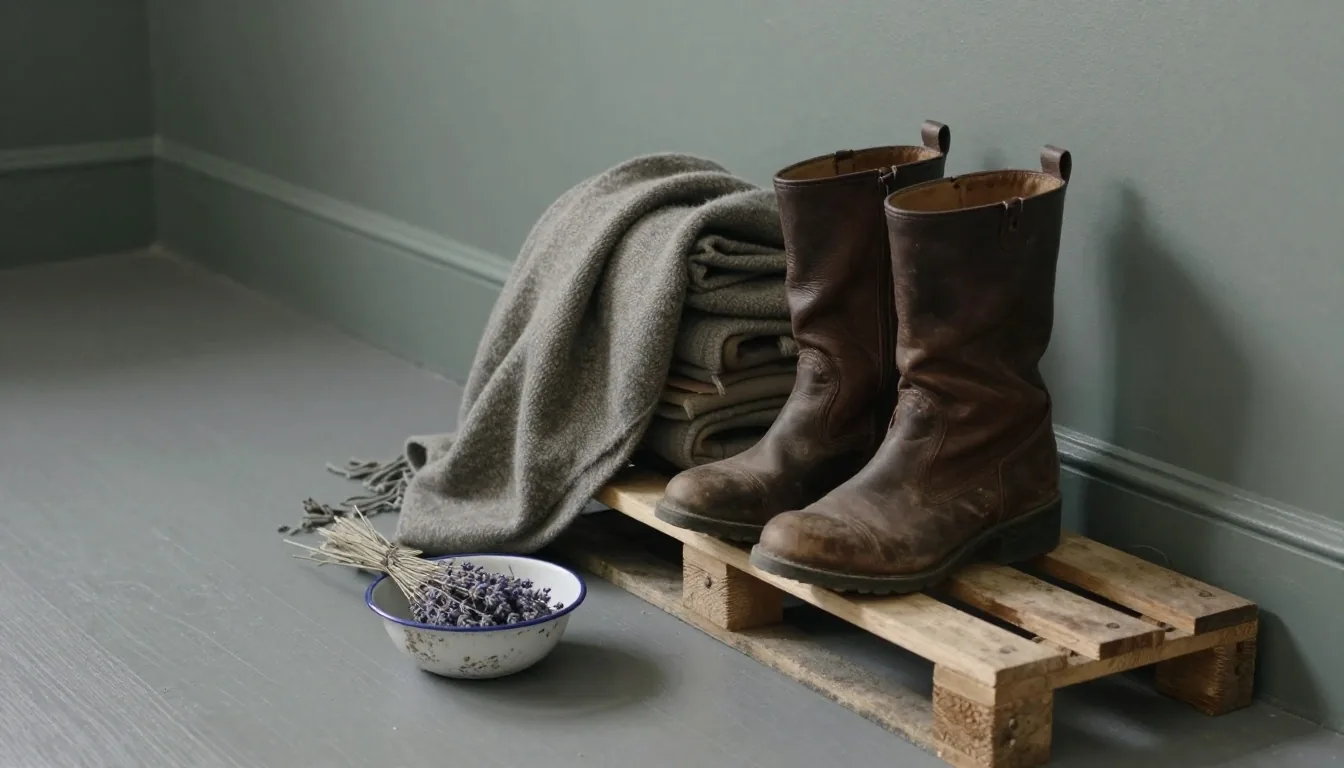
Start where you already are
Upcycling turns something you were about to bin into something you keep. It saves money and it keeps the material and the energy already used to make it. None of the projects here need a workshop or power tools.
Before you start
A jar holds things. A crate stacks. A shirt becomes cloth.
Items worth a second look almost always sit in the kitchen, the wardrobe or the shed. The question is not what a thing is, but what it could carry next.
Look at the item and ask what it could hold, cover or become. The best projects solve a small problem you already have, like storage or a plant pot. If you have no use for the result, you are just moving waste from one place to another.
Two minutes of honest thinking saves an afternoon of gluing. Walk to the spot where the finished piece would live — the shelf, the hallway, the windowsill — and check it fits and that you would actually reach for it. A project that lands somewhere useful stays in use for years. One that lands in a cupboard was a craft exercise.
Sort candidates by material rather than by room. Glass and metal clean up well and survive daily handling. Timber takes refinishing. Fabric is the easiest to start with because a mistake there costs nothing. That order also tells you which projects to try first if you are new to this.
Easiest first project
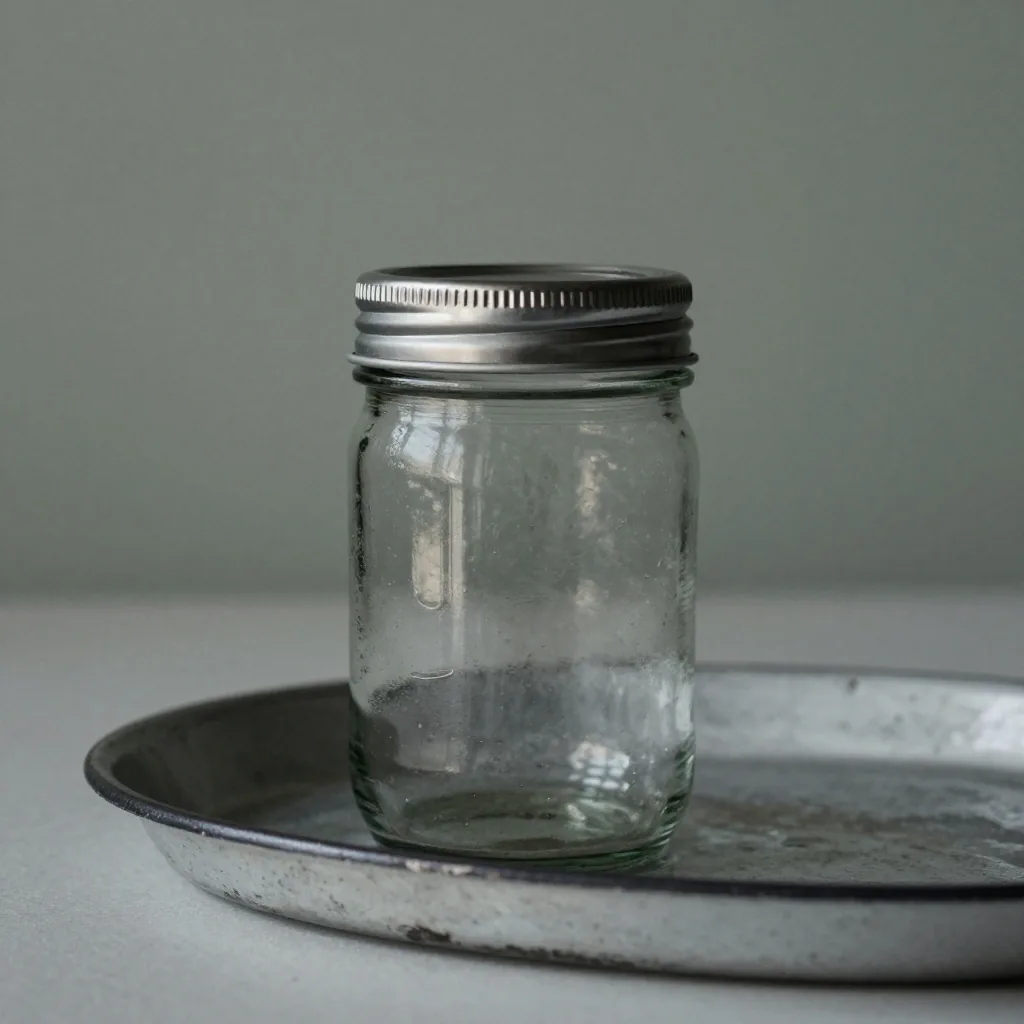
Wash, soak, reuse — the whole job is half an hour.
Wash the jar in warm soapy water, then soak off the label with warm water and a little oil or baking soda. Sticky residue usually gives up after ten minutes of soaking. Dry it fully before you store anything dry in it.
A jar becomes a storage container for dry goods, a pen pot, or a plant holder. Lids can be spray-painted or left bare. A set of matching jars looks deliberate even when they came from different products, so keep the sizes close if they will sit together.
If you want a candle, use a proper candle wick and wax, not a homemade mix, for safety. Thick glass handles heat better than thin decorative glass, and a jar that once held food is a sound choice for this.
For plastic free food storage at home, jars beat most containers: you can see what is inside, they seal well, and there is no plastic in contact with the food. Label the lids with a strip of masking tape and a pen if the contents are not obvious.
 Shirt squares take about ten minutes
Wardrobe
Half an hour of hand stitching is enough for a tote.
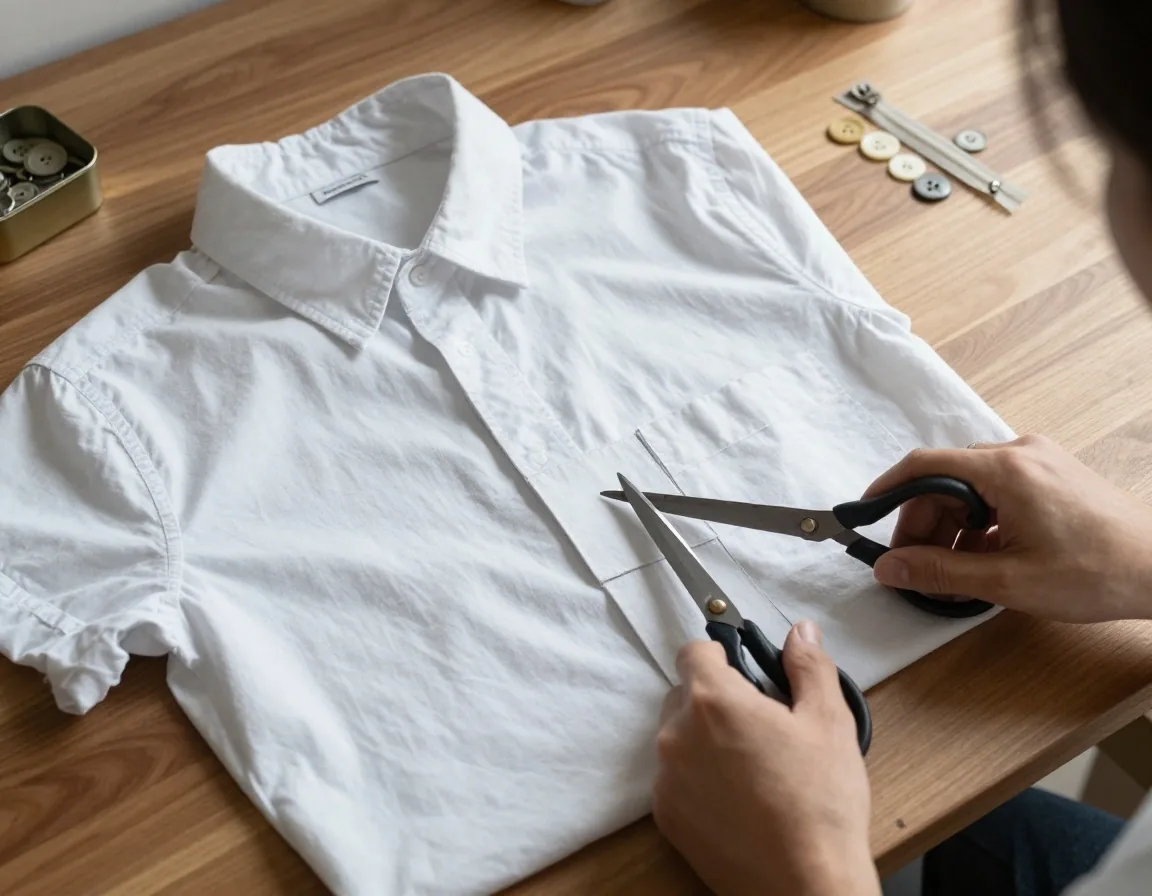
Worn shirts, jeans and towels have a second life as cleaning cloths, patches, or a tote bag. Cotton shirts cut into squares replace paper towels in the kitchen. Denim patches repair other jeans from the inside, which holds better than an iron-on patch and lasts longer. A simple tote needs basic sewing and about half an hour — you do not need a machine if you are patient with hand stitching.
Keep the buttons and zips in a small tin for repairs later. A shirt with a broken zip still has a whole back panel of usable cloth, so cut around the damaged part instead of writing off the garment.
Living space
A wooden crate becomes a shelf or a shoe box. An old ladder becomes a plant stand. Tins become pen pots or planters with a coat of paint. The trick is to choose items with a solid structure so the result lasts. Flimsy packaging will not survive as furniture, no matter how good the paint looks.
Check the joints before you commit. If a crate rack feels loose in your hands, it will feel loose under a stack of books. A lick of paint hides scuffs, not movement.
Crate shelf
Stack two crates on their sides and fix them to a stud, or leave them free-standing under a desk. Slatted crates read better unpainted; sand the rough edges and leave the grain showing.
Ladder stand
An old wooden stepladder gives three or four levels for pots. Stand it against a wall and put the heaviest pots on the bottom step so it cannot tip forward.
Tin pots
Wash tins out properly and let them dry, then paint the outside only. Bare tin on the inside will not react with what you store, and a painted rim chips less than a painted base.
What to skip
Corrugated card, thin plastic trays and split chipboard will not hold a load. Leave them for the recycling bin and pick something with real thickness.
Handle with care
Safety matters more than the look.
Anything that touches food, holds weight, or sits near heat needs a sensible approach. Use food-safe finishes on kitchen items and let them cure fully before anything edible goes near them. Check that a shelf or stand can take the load before you trust it with the good plates.
If a project feels risky, treat it as decor only. Keeping a piece out of daily use still stops it going in the bin, and you avoid the part where it fails under pressure.
Where things come from
Charity shops, car boot sales and the items already in your cupboards are the usual sources. Freecycle and similar UK groups pass on furniture and materials locally. You often do not need to buy anything. The point is to use what already exists.
Timing helps more than budget. Community noticeboards clear out at the end of a month, car boot sales are best in the first hour, and charity shops restock on weekday mornings. Go with a rough idea of what you need, but stay open to what turns up.
Charity shops
Best for glass, crockery, picture frames and small furniture. Ask staff about items that have been on the floor a while — they are often happy to move them on.
Car boot sales
Tools, crates, ladders and tins turn up cheaply here. Bring a tape measure and cash, and check timber for dry rot before you carry it home.
Local giving groups
UK groups pass on sofas, shelving and offcuts within a few streets of you. Collections are usually arranged the same week, so it stays local.
Looking after the work
Clean them as you would the original material. Wood likes a little oil now and then. Fabric should be washed before it frays. Paint on metal chips over time, so touch it up when needed. A small amount of care keeps a project in use for years.
The same thinking runs through the rest of a low waste home. Cleaning with simple, refillable products and storing food without plastic both come down to a short routine you keep, rather than a one-off overhaul.
One honest question
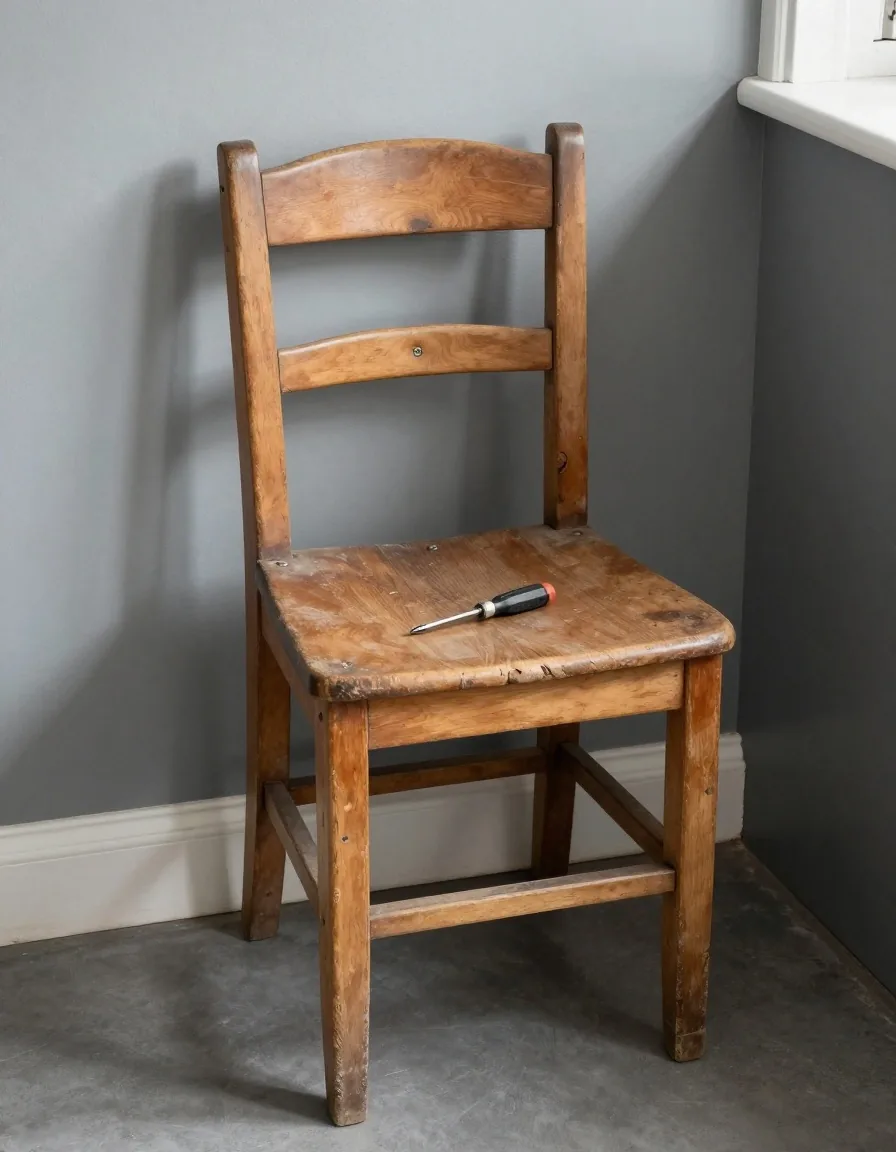
A wobbly chair needs a screw, not a makeover.
If the item still does its original job and just needs a fix, repair it. Save upcycling for things that are genuinely past their first purpose. Repair keeps more value and uses fewer materials, which is the better outcome when it is possible.
The same distinction sits behind the upcycling vs recycling difference: recycling breaks a material down to make something new, while upcycling and repair keep the object intact and working. Repair comes first where it is possible, upcycling second, recycling last.
Getting started
Start with a jar. The material is already clean, the job is short, and you get a useful container out of it. Fabric squares are the next easiest if you have worn shirts.
Not for anything on this page. Sandpaper, a paintbrush, scissors, a needle and a screwdriver cover every project here. A drill helps with wall fixing but is not essential to start.
Materials
Paint the outside only and leave the inside bare, or line it. Drainage is the bigger issue for plants: without a hole in the base, most plants will not last long in a tin.
Soak in warm water first, then work the glue with a little cooking oil or a paste of baking soda. A plastic scraper lifts the last of it without scratching the glass.
Staying safe
Anything holding serious weight, sitting near heat, or made from thin packaging. Keep those out of daily use and skip them for kitchen storage.
Yes, and it is a good way to test a project before you commit to a shelf of them. Passing on a piece that works is how most of these projects travel between households.
Start with the jar in the cupboard. Everything else follows.
If you would like a project covered that is not here, send us the item and what you want it to do. Rethink & Reuse is an editorial resource for UK households, and reader suggestions shape what gets written next.
Monday to Friday, 9:00 AM – 6:00 PM. Saturday, 10:00 AM – 2:00 PM.